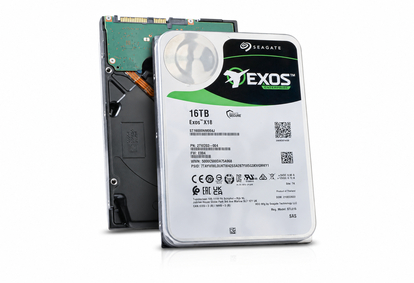
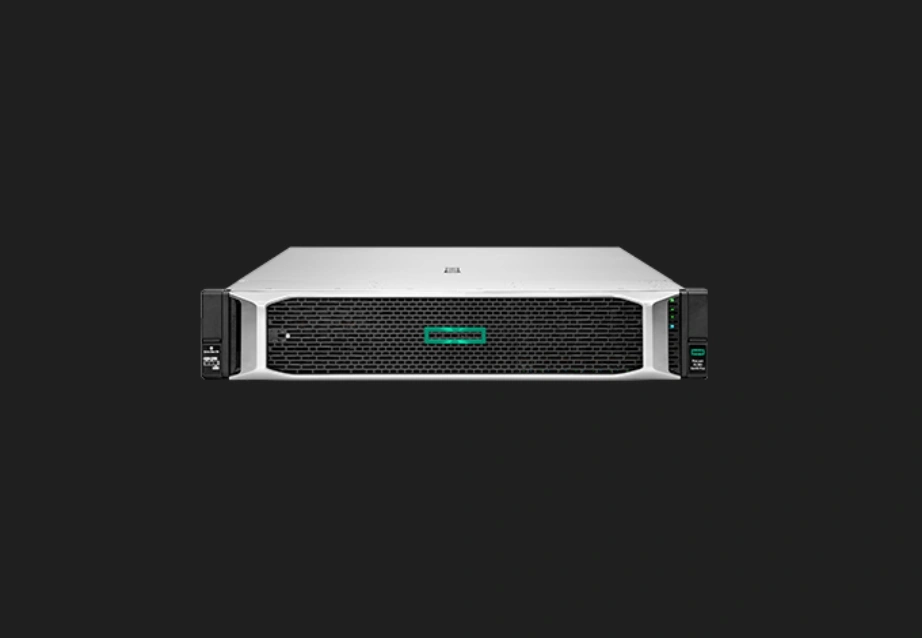
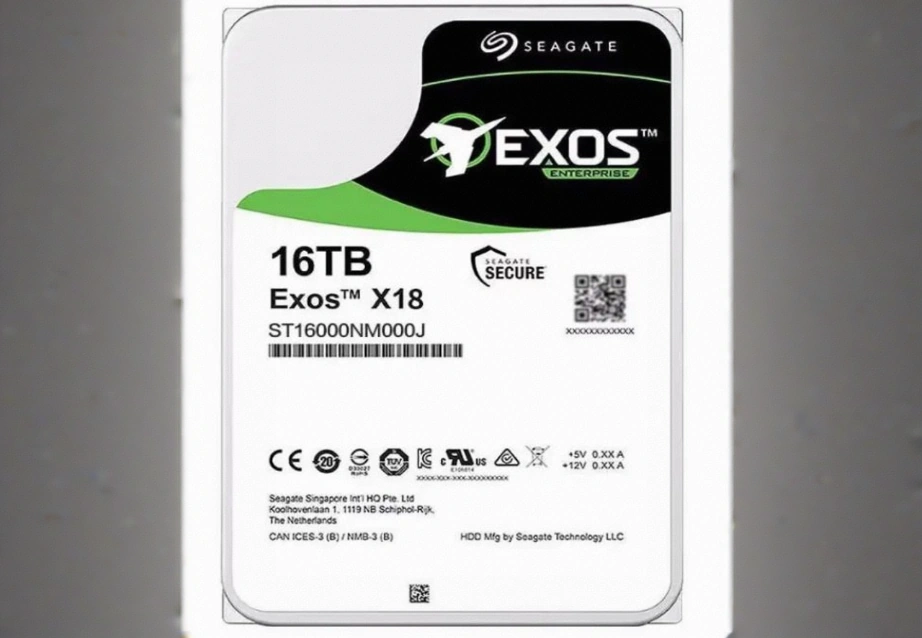
Lenovo vs Seagate Exos: What Does "Compatibility" Really Mean in Server Storage Upgrades? Why "Lenovo vs Seagate" is a common enterprise search intent in 2026 In 2026, IT administrators regularly search for Lenovo vs. Seagate when they plan infrastructure expansions. This query shows an increasing need. They need to balance OEM ecosystems with affordable high-capacity storage options. Data demands keep growing quickly. Enterprises want to know one key thing. They want to know if they can safely add third-party enterprise…
Why Linux Leads in Enterprise Edge Computing in 2026 How Edge Computing Is Transforming Enterprise IT The digital world is changing quickly. It moves data processing away from central data centers. The work now happens closer to where the data is created. This important change cuts delays. It lowers bandwidth costs. It also supports quick decisions for key applications. By spreading out the setup, Enterprise Edge Computing changes how companies handle large data volumes from distant branches, factory floors, and…
Why Enterprise HDD Performance Still Matters in 2026 AI modeling, big data analytics, and hybrid cloud environments continue to grow. The total amount of data produced is very large. Flash storage often receives the most industry attention. Yet enterprise hard disk drives (HDDs) remain the main foundation of cost-effective, high-capacity storage. IT architects need to understand the mechanics behind their efficiency. This knowledge is very important for designing modern data centers. The right mechanical drive strategy stops serious infrastructure bottlenecks. What…
Why Does TCO Matter When Buying a Dell Enterprise Server in 2026? In 2026, enterprise IT procurement requires a fundamental shift from evaluating upfront acquisition prices to calculating the comprehensive total cost of ownership. Data center infrastructure constraints and rising electricity rates mean that hardware hidden costs can quickly overshadow initial procurement savings. What Does TCO Include Beyond the Initial Server Price? A complete TCO assessment goes far beyond the initial server sticker price. It encapsulates ongoing operational line items: specialized deployment labor, software provisioning, active lifecycle maintenance, and mechanical server space. Most critically, it includes the continuous utility expenses required to run data-heavy applications and the secondary facility cooling needed to extract ambient thermal waste. Why Energy Efficiency Is Becoming a Key Cost Factor Consequently, implementing robust server energy efficiency strategies has shifted from a corporate sustainability goal to a core financial imperative. With hardware power draws scaling alongside dense modern compute architectures, a server with poor power scaling can easily double its baseline expenditures within a few years of non-stop operations. What Drives the TCO of Dell Enterprise…
The Memory Bottleneck: Why Your Server RAM Choice Matters The Role of Buffering in High-Density Servers When enterprise architectures scale, the focus often shifts to CPU core counts, but the true silent killer of system performance is the memory bottleneck. As you add more high-capacity memory modules to a motherboard, the electrical load on the memory controller increases exponentially. This is where buffering becomes critical. By acting as a traffic director between the memory controller and the DRAM chips, buffered Server Memory prevents signal degradation, ensuring that enterprise applications run without fatal crashes or data corruption. How Hardware Limitations Drive Memory Evolution Without good buffering, hardware limits would cap the total RAM a server can hold. Motherboards accept only a set amount of electrical load. As an established IT service provider, we at Huaying Hengtong often meet clients who reach this limit when they try to expand virtualization setups. Knowing the differences in RDIMM vs LRDIMM lets teams work around these limits in a safe way and still protect data accuracy. Understanding RDIMM (Registered DIMM) The Core Mechanism of Command/Address Buffering A…
In the rapidly evolving digital landscape of 2026, organizations face a paradoxical challenge. The demand for raw computational power is skyrocketing due to heavy artificial intelligence integration, yet IT budgets are under tighter scrutiny than ever before. For procurement officers and CTOs, the conversation has decisively shifted from negotiating the lowest initial purchase price to conducting a comprehensive analysis of the TCO for Dell enterprise servers. What Drives the TCO for Dell Enterprise Servers in 2026? Understanding the economic friction within a modern data center begins with a reality check on operational overhead. By 2026, the traditional split where capital expenditures dominated the budget has shifted heavily toward operational expenses. This shift is primarily driven by rising global energy prices and the specialized, expensive labor required to maintain complex, hybrid IT environments. Identifying the Hidden Operational Costs in Modern Data Centers The total cost of ownership is often compared to an iceberg. While the hardware acquisition cost is highly visible above the waterline, the submerged costs—such as expensive software licensing, unplanned system downtime, and intensive administrative labor—can easily sink an…
The Great IT Dilemma: OEM vs. Retail Enterprise Storage What Does "Lenovo-Branded" Actually Mean for a Seagate Drive? When expanding the storage capacity of data centers or high-end workstations, IT procurement personnel face a classic dilemma: purchasing Original Equipment Manufacturer (OEM) drives with a system brand's label or buying the retail equivalent directly from the storage manufacturer. In the Lenovo vs. Seagate enterprise drives debate, it is an open secret in the IT hardware industry that major system brands do not manufacture their own hard drive platters. A Lenovo-branded enterprise drive is often physically identical to a retail Seagate drive, utilizing the exact same magnetic recording technology. For example, when scaling up the storage of a flagship Lenovo ThinkStation P8 workstation, which boasts a breakthrough computer architecture with enhanced cooling, administrators often wonder if an official OEM drive differs from a retail Seagate ST20000NM007D. The ST20000NM007D is a 20TB high-capacity hard drive designed for enterprise applications with a SATA 6Gb/s interface and 7200RPM speed. The core differences lie solely in the branding, the customized firmware, and the subsequent price markup.…
What Drives Enterprise Server TCO in 2026? When evaluating IT infrastructure, procurement teams often focus heavily on the initial hardware quote. However, calculating the true Total Cost of Ownership (TCO) requires a much deeper dive into the operational lifecycle of the equipment. Beyond the Price Tag: CapEx vs. OpEx in IT Procurement Capital Expenditure (CapEx) represents the upfront cost of purchasing hardware, but Operational Expenditure (OpEx) is where IT budgets are truly tested over a typical three to five-year lifecycle. Upgrading memory, renewing proprietary software licenses, and replacing failing components over time can easily surpass the initial hardware investment. A smart procurement strategy shifts the focus from simply finding the cheapest unit to identifying the architecture that offers the lowest operational friction over time. The Hidden Expenses of Power Consumption and Datacenter Cooling Modern processors and high-speed memory modules generate significant heat under heavy workloads. Power consumption and the necessary datacenter cooling infrastructure represent massive hidden expenses. Selecting servers equipped with high-efficiency redundant power supplies and advanced thermal designs is no longer optional; it is a critical requirement for maintaining…