


Why Linux Leads in Enterprise Edge Computing in 2026
How Edge Computing Is Transforming Enterprise IT
The digital world is changing quickly. It moves data processing away from central data centers. The work now happens closer to where the data is created. This important change cuts delays. It lowers bandwidth costs. It also supports quick decisions for key applications. By spreading out the setup, Enterprise Edge Computing changes how companies handle large data volumes from distant branches, factory floors, and field operations.
Why Linux Is the Preferred Choice for Edge Deployments
As infrastructures decentralize, operating systems must adapt to highly constrained, remote environments. Linux has emerged as the definitive backbone for leading Linux for Enterprise Edge Computing initiatives due to its unparalleled modularity. Its architecture allows IT teams to strip the OS down to its bare essentials, deploying only what is necessary to run containerized microservices without the overhead associated with heavier, proprietary operating systems.
What Features Make Linux Ideal for Enterprise Edge Applications?
Scalability and Lightweight Footprint
Edge settings often include thousands of spread-out nodes. These nodes have limited computing power, memory, and energy. A small Linux size makes sure the system uses very few resources. This leaves more room for real business tasks. This strong scalability lets companies use the same software from large rack servers down to very small gateways.
Security and Reliability Considerations
Running devices outside the protected area of a normal data center creates real risks. Linux deals with these issues through built-in security tools like SELinux and AppArmor. It also uses immutable file systems that stop unwanted changes. For enterprise edge applications, this allows remote nodes to return to earlier safe states. They do this if an attack or a bad update affects the system.
Open Source Flexibility and Community Support
The open-source quality of Linux means companies avoid being tied to one vendor. A large worldwide group keeps fixing weak points. They create new hardware drivers. They also improve container tools like Kubernetes (K3s). This helps the system grow along with new edge computing needs.
How Enterprises Can Deploy Linux at the Edge Effectively
Deployment Strategies for Distributed Edge Nodes
Growing Linux enterprise edge solutions need zero-touch setup. IT teams should send hardware to far places without prior setup. The devices then connect safely to a central system on their own. They download the correct Linux OS image. They also set themselves up without help from local staff.
Integration with Cloud and Hybrid Infrastructure
Edge computing does not replace the cloud; it extends it. Effective edge deployments utilize Linux-based container platforms to create a seamless continuum between the edge and the hybrid cloud. This allows workloads to shift dynamically—processing time-sensitive data locally at the edge while pushing aggregated, anonymized data back to the central cloud for long-term analytics.
Monitoring and Maintenance Best Practices
Keeping track of thousands of distant Linux nodes calls for clear management methods. Teams use GitOps principles. They set the desired condition of the whole group from one central point. Automatic checks and health tracking make sure that if a node moves away from its setup, the system fixes it by itself or notifies staff before serious problems happen.
Which Linux Distributions Are Leading in Enterprise Edge Computing?
Comparing SUSE, Red Hat, and Ubuntu Edge Versions
The enterprise market in 2026 is dominated by purpose-built edge distributions. SUSE Linux Enterprise Micro offers an ultra-reliable, immutable OS tailored for containerized workloads. Red Hat Enterprise Linux (RHEL) for Edge provides robust rollback capabilities and seamless integration with OpenShift. Ubuntu Core remains a favorite for IoT-heavy deployments due to its secure, transactional snap packages.
Selecting the Right Distribution for Specific Use Cases
Picking the right distribution depends on the setup conditions. Ubuntu Core could work best for separate digital signs or retail payment systems. RHEL for Edge is often chosen for heavy industrial settings that need close links with current enterprise hybrid-cloud structures.
Balancing Performance, Security, and Management Needs
The best edge Linux distribution finds a careful balance. It must give strong performance on limited equipment. It needs to ensure secure boot sequences that are checked with codes. It also must allow over-the-air updates. These updates make management of systems in different locations much easier.
How Linux Enhances Enterprise Edge Use Cases
Optimizing IoT and Edge Device Operations
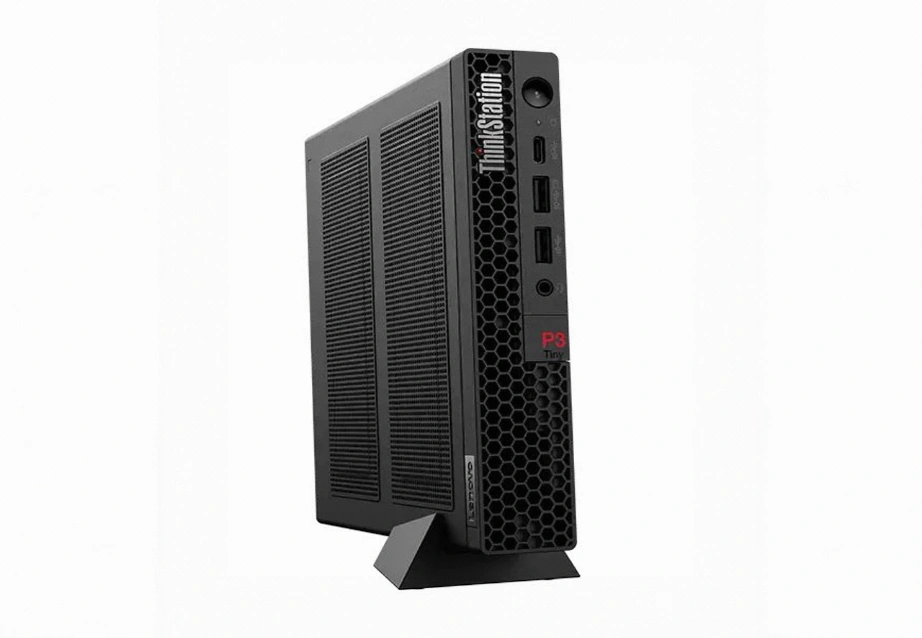
In industrial and IoT settings, edge equipment must be small but strong. For example, pairing a custom Linux distribution with the Lenovo ThinkStation P3 Tiny lets companies handle complex tasks right on the factory floor. With its very small 1.21-liter size (183x179x37mm), this workstation runs high-performance work like Edge/IoT quickly. It does this without taking up much space.
Supporting AI and Machine Learning Workloads
Running AI models at the edge needs an OS that works well with GPU accelerators. Linux supplies native and tuned drivers for current AI equipment. This supports live computer vision for quality checks in manufacturing or predictive maintenance in energy fields without the delays of cloud connections.
Real-World Examples of Enterprise Edge Success
Smart retail stores use local video analysis to improve customer movement. Healthcare centers handle large MRI data on-site before sending summaries to the cloud. These cases show how Linux-supported edge systems create real improvements in operations across many industries.
How Huaying Hengtong Supports Linux Enterprise Edge Solutions
Reliable Infrastructure for Distributed Edge Computing
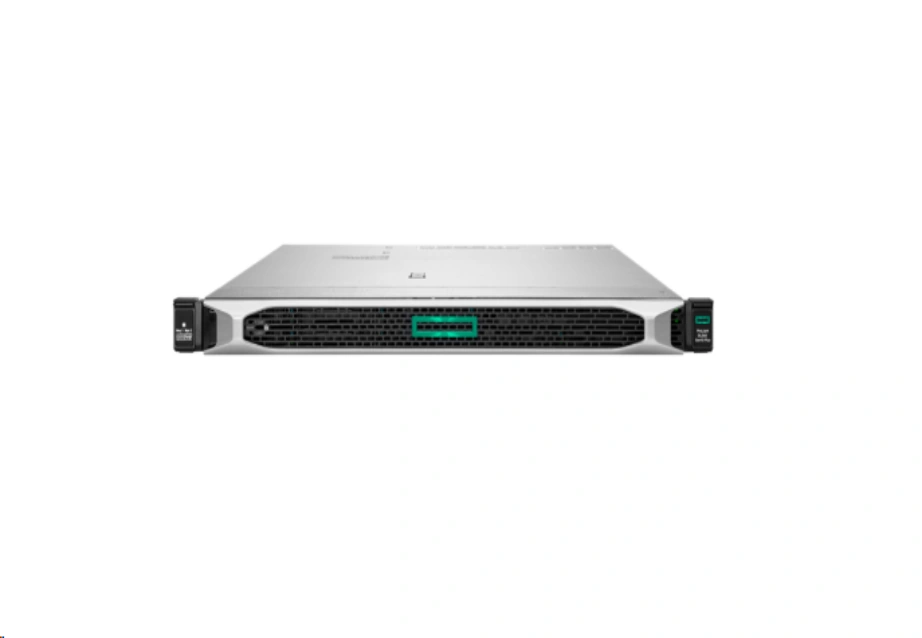
Huaying Hengtong was established in 2016. The company knows that strong software needs solid hardware. We do not design the hardware. Instead, we supply important high-performance equipment from leading brands to run these Linux systems. For demanding edge settings that need virtualization, we offer products like the HPE ProLiant DL360 Gen11. This optimized 1U two-socket rack server works well for general virtualization tasks that need higher computing density.
Tools and Services to Simplify Linux Management
We base our work on customer needs and put customers first. We build custom solutions for each client. We help companies set up smooth edge environments. We do this by providing the right hardware setups needed for automatic Linux management tools. We have gained wide experience in demand study, equipment choice, network setup, and ongoing support. This ensures your edge systems work without problems.
Case Studies Demonstrating Scalable Edge Deployments
Over the years, we have delivered many information technology solutions. These cover government agencies, education, enterprises, finance, military industry, and medical care. By giving these sectors the proper servers, switches, and workstations, we help clients grow their spread-out edge networks. This pushes their digital transformation efforts ahead.
FAQ
Q: What are the main benefits of using Leading Linux for Enterprise Edge Computing environments?
A: Linux gives a small and very flexible base. It uses a few hardware resources and leaves more power for actual business tasks. Its open-source quality, strong security tools, and support for container applications make it right for handling thousands of distant nodes in an effective way.
Q: How does an Enterprise Edge Computing strategy improve overall data security?
A: Handling data right at the edge lowers the amount of sensitive information sent over public networks. This cuts the chances of interception. When combined with safe OS features like immutable file systems and automatic rollback tools, local nodes keep tight security even in exposed remote places.
Q: Which distributions are best suited for Linux Enterprise Edge Solutions?
A: The best distributions are those built for remote setup, such as SUSE Linux Enterprise Micro, RHEL for Edge, and Ubuntu Core. These versions focus on small size, safe over-the-air updates, and strong container support. They help maintain high availability and easier management.
Q: What hardware is required to support robust Enterprise Edge Applications?
A: Edge applications need hardware that balances performance with limits on space and conditions. This includes compact workstations like the Lenovo ThinkStation P3 Tiny for local IoT tasks. It also covers dense 1U rack servers like the HPE ProLiant DL360 Gen11 for heavier virtualization and processing at regional edge centers. Huaying Hengtong supplies a wide range of these important hardware solutions.
Q: How can companies efficiently manage distributed nodes in Enterprise Edge Computing networks?
A: Companies should use zero-touch setup and clear management methods, often called GitOps. They define the desired condition of the whole group from a central point. They also use automatic checks to monitor system health. This lets IT teams send updates, fix security issues, and correct setup problems across many nodes without sending technicians on site.