

The Growing Memory Demands of Artificial Intelligence
The rapid integration of machine learning into enterprise environments has fundamentally shifted how data center architects approach hardware provisioning. Standard computing configurations are no longer sufficient to handle the immense data throughput required by modern neural networks. As organizations scale their deployments, optimizing the foundational memory layer becomes the most critical step in avoiding systemic bottlenecks.
Why Large Language Models Require Unprecedented Bandwidth
When executing large language models, the processing units are entirely dependent on continuous, high-speed data delivery. If the system memory cannot feed the GPUs or CPUs fast enough, compute cycles are wasted waiting for data, leading to severe performance degradation. This is where the architectural leap to DDR5 memory becomes indispensable, providing the massive memory bandwidth necessary to keep complex AI algorithms processing without interruption.
The Bottleneck of Memory Capacity in Deep Learning Training
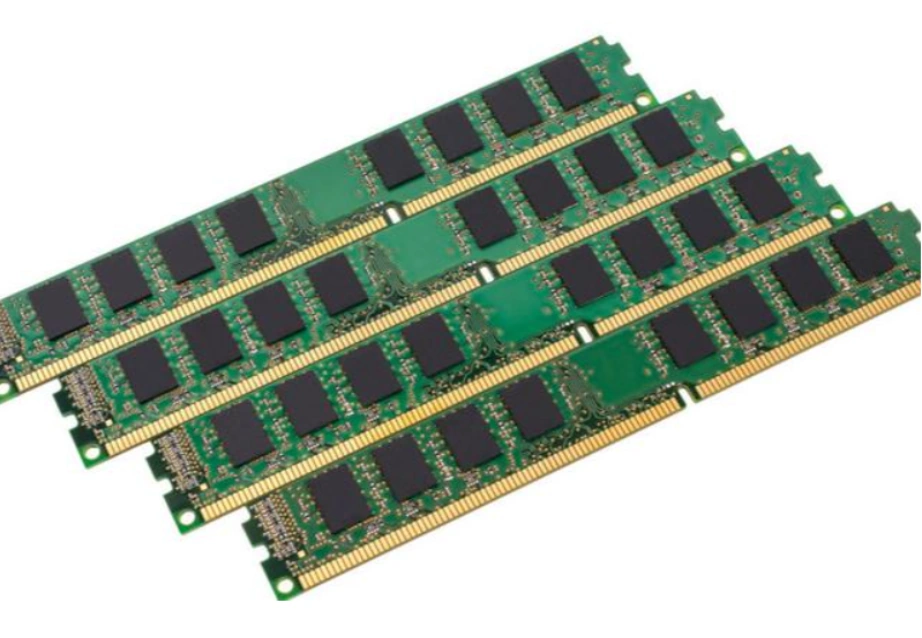
While bandwidth dictates speed, overall memory capacity dictates the scale of the AI project. Training deep learning models involves managing billions of parameters simultaneously. Insufficient memory capacity forces the system to constantly page data to slower NVMe storage, which can stall a training workload for days. High-density AI workloads demand a hardware foundation that can support maximum RAM allocation per server node without sacrificing stability.
Understanding the Architectural Differences in DDR5
Selecting the correct memory architecture is not a simple matter of buying the highest capacity available. Data center managers must choose between Registered DIMMs and Load-Reduced DIMMs, understanding how each handles the intense electrical loads generated by enterprise servers.
How Registered Memory Operates Under Heavy Loads
Registered DIMMs use a hardware register. This register buffers the command and address signals between the memory controller and the DRAM chips. The design cuts the electrical load on the memory controller by separating these signals. As a result, servers can use more memory modules per channel and still keep high speeds. For many standard enterprise setups, this design offers a good balance of speed and stability.
Load-Reduced Modules and Signal Integrity Explained
Load-Reduced DIMMs add another level of buffering. They also buffer the data lines. This extra buffering lowers the electrical impact of each module even more. It lets server motherboards hold the highest-capacity sticks. Yet the additional processing step can create a small delay. Architects must understand this trade-off if they want to increase data center scalability while keeping real-time response times strong.
Evaluating Performance Metrics for Data Center Scalability
At Huaying Hengtong, we work directly with enterprise clients. We help match their exact computing goals with the hardware that can deliver those results. The decision between these memory designs depends on whether the system focuses on data training or real-time use.
Latency Considerations for Real-Time AI Inference
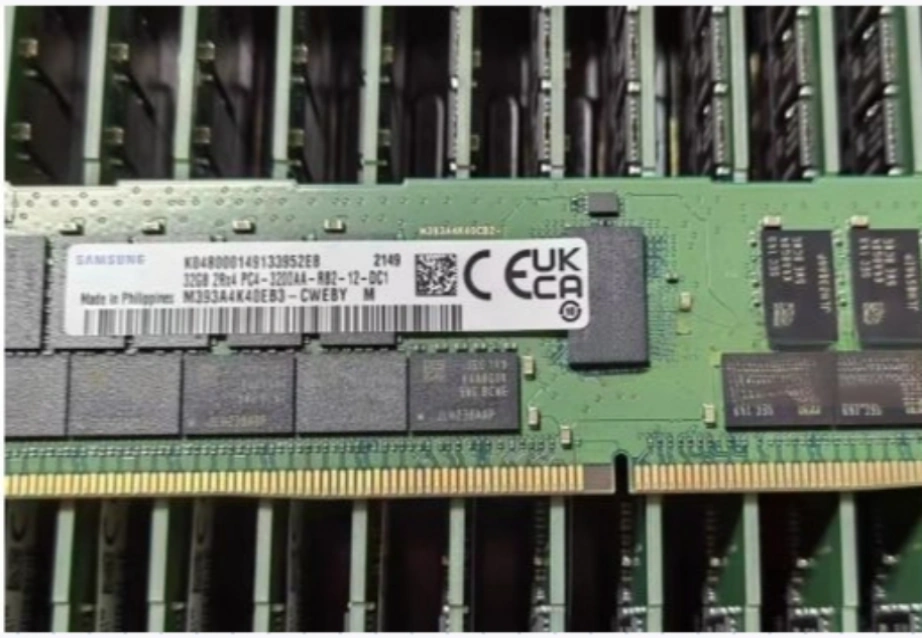
AI inference is the stage where a trained model produces answers. It depends heavily on very low latency. Capacity needs are usually lower than in the training phase. For this reason, Registered DIMMs often work better in these cases. They give faster, direct data access. For example, fitting an inference server with strong modules like the Samsung M321R8GA0PB0-CWM makes sure data is fetched and processed with almost no delay. This approach delivers immediate results for end users.
Maximizing Throughput Across Multi-Socket Servers
AI training clusters need the highest possible capacity to keep large datasets in active memory. In these multi-socket setups, Load-Reduced modules support the greatest RAM density per node. We regularly provide high-quality hardware, such as the Micron MTC20F208XS1RC56BB1, to clients who build large deep learning clusters. Placing these reliable Micron DDR5 modules throughout the infrastructure gives massive parallel tasks the space they need to finish efficiently.
Sourcing Strategy for High-Performance Infrastructure
Upgrading a data center for artificial intelligence creates a major logistical challenge. Procurement teams must consider more than technical details. They also need to manage budget limits and supply chain conditions to complete successful deployments.
Balancing Total Cost of Ownership in Enterprise Upgrades
Each hardware choice affects the financial performance of the data center. Load-Reduced memory supports maximum capacity, but it often uses slightly more power per module because of the advanced data buffers. IT directors can improve the total cost of ownership over the server lifecycle. They do this by calculating power usage effectiveness together with raw performance. This method makes sure the performance improvements are worth the extra energy used.
Ensuring Supply Chain Reliability for Critical Deployments
Obtaining enterprise-grade hardware needs a partner with strong industry connections and steady inventory. As a leading distributor, Huaying Hengtong makes sure global enterprises get genuine high-performance parts exactly when their schedules require them. We keep solid supply lines for major brands. This allows organizations to expand their infrastructure with confidence and avoid serious hardware shortages.
Frequently Asked Questions (FAQ)
Q: Which architecture is better suited for deep learning, RDIMM or LRDIMM?
A: The best choice depends on the project phase. LRDIMMs usually work better for the training phase. They support maximum memory capacity per server, which is essential for large datasets. RDIMMs are often the preferred option for the inference phase, where lower latency matters more than the highest density.
Q: How does upgrading to DDR5 memory impact processing speeds?
A: The new generation doubles the bandwidth compared with older standards. This large rise in data transfer rates keeps high-core-count processors and GPUs supplied with information at all times. It removes the processing delays that were common in older data centers.
Q: What impact does server memory selection have on Total Cost of Ownership?
A: The right memory choice improves your server consolidation approach. When you use the correct architecture to reach maximum performance per node, you need fewer physical servers overall. This reduction lowers cooling costs, rack space expenses, and software licensing fees during the hardware lifetime.
Q: Why is minimizing memory latency critical for AI workloads?
A: Some applications need real-time interaction, such as autonomous systems or live language translation. In these cases, the speed at which the trained model pulls active data decides the response time. Lower latency stops small delays and creates a smooth experience for the end user.
Q: Do established brands like Samsung DDR5 provide a noticeable advantage?
A: Yes, they do. Top manufacturers use high-grade materials and strict testing processes. These steps guarantee stability under extreme heat conditions. Huaying Hengtong supplies these quality components because they sharply reduce the chance of module failure and system downtime in important environments.