


The Linux enterprise server market is no longer a niche built only around low-cost operating systems. In 2026, buyers are looking at Linux as a platform for AI services, hybrid infrastructure, databases, containers, edge nodes, and long-life application estates. This outlook is for IT planners who need to decide where Linux server spending is likely to create real value.
Why the Linux Enterprise Server Market Is Still Expanding
AI and Cloud-Native Workloads
AI training, inference, automation, web services, and analytics all benefit from a flexible operating environment. Linux supports mature driver ecosystems, container runtimes, orchestration tools, scripting, and observability stacks. The growth opportunity is not just new servers; it is the ability to standardize deployment patterns across physical hosts, virtual machines, private cloud, and edge locations.
Lifecycle Control and Cost Pressure
Organizations also want more control over licensing, patch timing, and hardware refresh cycles. Linux can help reduce dependency on one application path, but it does not remove the need for platform validation. Kernel, firmware, controller, GPU, NIC, and storage combinations still need to be checked as a complete system.
2026 Demand Signals Buyers Should Watch
Workload Placement Is Becoming Hybrid
Market growth will likely come from mixed deployment. Some applications move to cloud services, while latency-sensitive databases, regulated workloads, AI data preparation, and branch systems stay on owned servers. Linux enterprise server planning therefore needs a placement model, not a single migration slogan.
Hardware Validation Matters More Than OS Preference
The strongest Linux projects begin with a reference platform. That means approved CPU generation, memory population, storage controller, NIC, firmware baseline, Linux distribution version, kernel, and support window. Huaying Hengtong represents major server brands and supports enterprise hardware selection across server, storage, network, and accessory categories.
This is especially important for AI and database environments, where a small mismatch can become expensive after deployment. A driver version can decide whether an accelerator is usable. A controller setting can decide whether storage latency remains predictable. A memory population rule can decide whether the platform reaches the expected bandwidth. The operating system decision should therefore be tied to a validated bill of materials.
Infrastructure Opportunities for Linux Enterprise Server Projects
Modern Rack Servers and Memory Headroom
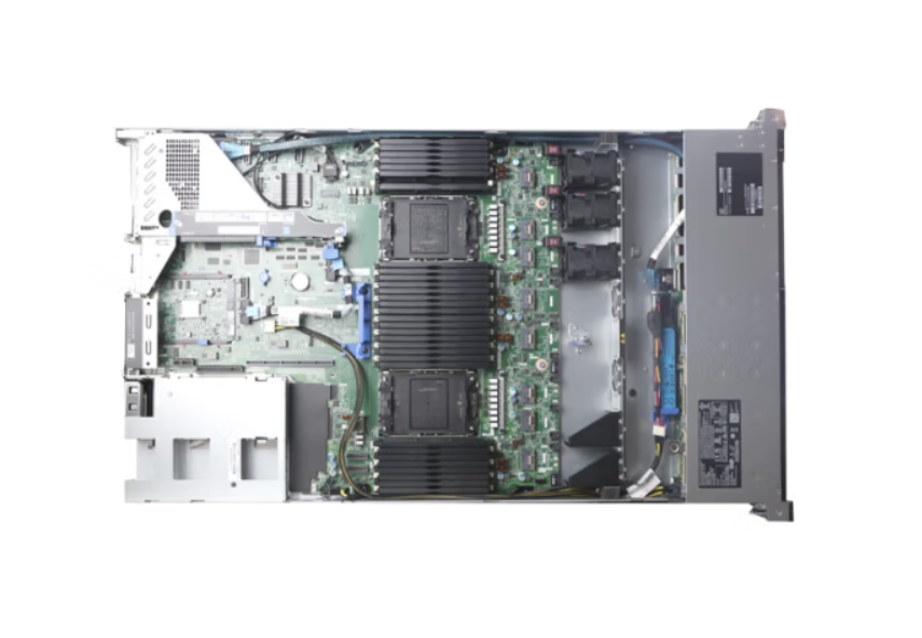
The server product category gives buyers a practical starting point for platform selection. Linux workloads may need more cores, larger memory footprints, NVMe or SAS storage paths, and network capacity for distributed services. The opportunity is to match hardware to workload classes instead of buying only by processor model.
Services Around Migration and Standardization
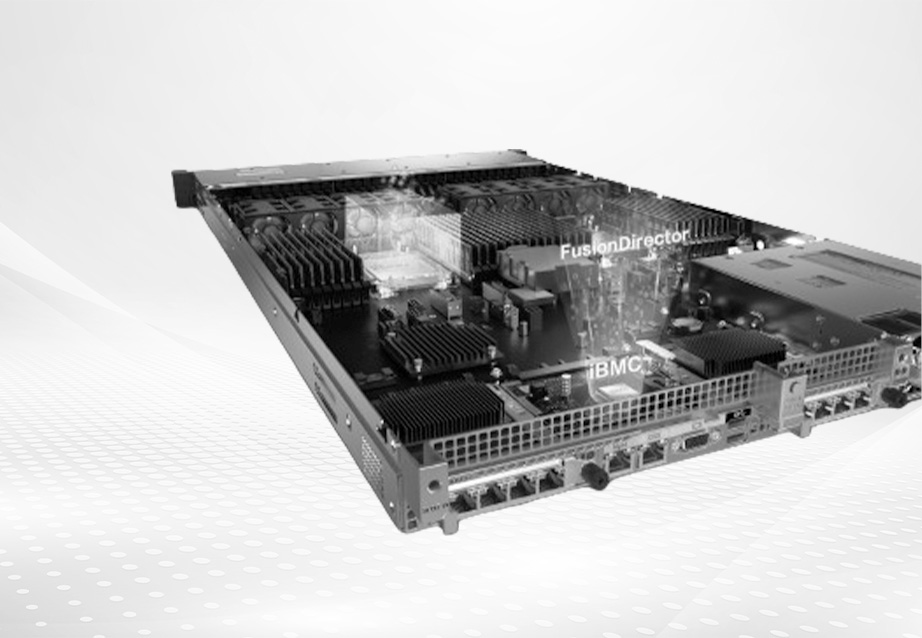
Linux adoption creates services demand around assessment, compatibility checks, deployment images, configuration management, monitoring, backup validation, and rollback planning. The FusionServer 2288H V6 Rack Server page lists a 2U two-socket rack server that can be used for cloud computing, virtualization, databases, and big data, with operating system support including SUSE Linux Enterprise Server, Red Hat Enterprise Linux, CentOS, Oracle Linux, Ubuntu, Debian, and openEuler.
Opportunity also comes from standardizing scattered server estates. Many organizations already run Linux, but they run too many images, patch methods, and hardware generations. A 2026 project can consolidate that estate into fewer approved profiles: one profile for virtualization, one for database services, one for container nodes, and one for edge or branch workloads.
Risks That Can Slow Adoption
Skills, Security, and Patch Windows
Linux gives strong control, but control creates responsibility. Teams need patch discipline, access management, audit logging, secure remote access, backup testing, and configuration review. A rushed migration can leave too many unmanaged variants across business units.
Security planning should also include who owns the hardware layer. Firmware updates, management ports, BIOS settings, and out-of-band access are not separate from Linux operations. When those responsibilities are unclear, patching becomes slower and incident response becomes harder.
Driver, Firmware, and Application Compatibility
Hardware support should be validated before purchase. Storage controllers, GPU drivers, high-speed NICs, management agents, and security modules can affect the final Linux enterprise server design. We help customers connect Linux enterprise server plans to exact hardware evidence before purchase.
Application certification is another constraint. Some enterprise software supports only specific distributions, kernels, database versions, or virtualization layers. The best market opportunity is therefore not to install Linux everywhere, but to use it where the application, hardware, and operations model can be supported together.
Practical Planning Checklist for 2026
Build the Reference Platform First
Define the distribution, kernel, firmware, server model, memory layout, controller, NIC, storage pool, monitoring stack, backup method, and security baseline. Test representative workloads before the full rollout. The Huaying Hengtong IT service support page describes technical verification, equipment selection, network implementation, quality assurance, operations, maintenance, and service support.
Keep Expansion Paths Open
Plan for additional memory, drive bays, PCIe slots, accelerator cards, and network ports. Track power, cooling, rack space, and lifecycle dates. Linux growth is most useful when the hardware platform can absorb new application patterns without a disruptive replacement cycle.
The market opportunity is strongest where Linux becomes part of an operations model rather than a one-time server purchase. Teams that document images, patches, firmware, monitoring, recovery tests, and hardware evidence can scale the platform with less debate. Teams that skip that work often discover that every new workload becomes a separate compatibility project.
FAQ
Q: Why is Linux enterprise server demand growing in 2026?
A: Linux enterprise server demand is growing because AI, containers, databases, automation, and hybrid infrastructure need flexible platforms with validated hardware and controllable lifecycle management.
Q: What should buyers check before deploying a Linux enterprise server?
A: Buyers should check the server model, CPU generation, memory rules, storage controller, NIC, firmware, distribution version, kernel, drivers, and vendor support window.
Q: Is Linux enterprise server adoption mainly about lower software cost?
A: Cost matters, but the larger value is workload flexibility, automation, lifecycle control, and the ability to standardize infrastructure across physical, virtual, and cloud-adjacent environments.
Q: How can Linux enterprise server projects reduce migration risk?
A: They can reduce risk by building a reference platform, testing real workloads, documenting rollback plans, validating backups, and confirming driver and firmware compatibility before rollout.
Q: Which workloads fit Linux enterprise server growth opportunities?
A: AI services, databases, web applications, container platforms, analytics, edge systems, storage services, and automation tools are common areas where Linux server growth can create value.