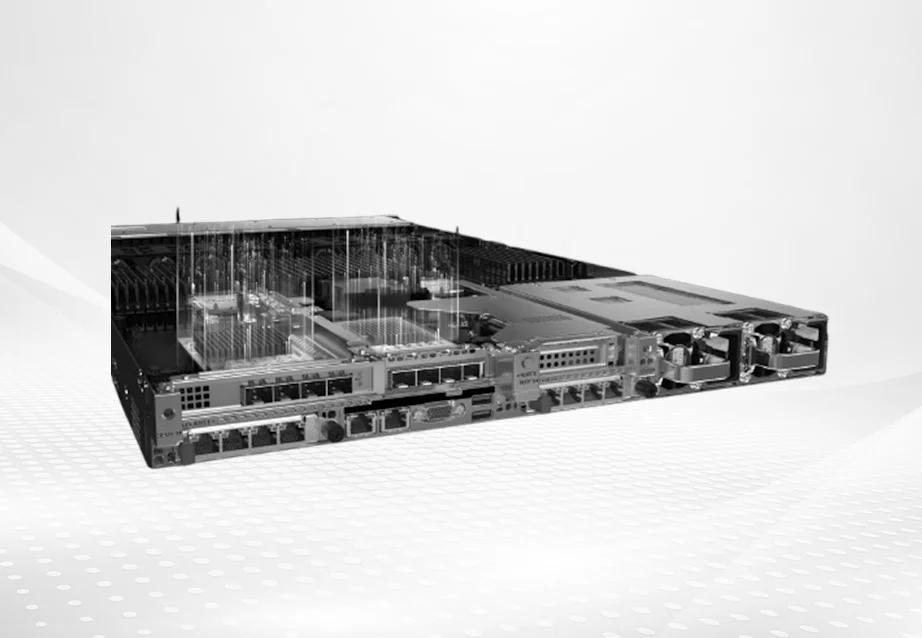
Why Is Huawei 1288H Ideal for Mid-Range Server Needs? Key Features of Huawei 1288H The Huawei 1288H is crafted for mid-level server jobs. It blends tough hardware with cutting-edge tech in a compact setup. This fits well in data centers with limited space. Businesses can improve their IT performance with this server. The Huawei 1288H provides versatile storage solutions. It accommodates various hard drive types and SSDs. This ensures quicker data retrieval and improved efficiency. Its redundancy features, like dual power…
What Makes the DL360 G11 Stand Out in IT Environments? Key Features of the DL360 G11 The HPE ProLiant DL360 Gen11 server is a performing 1U 2CPU rack server created to cater to the needs of current IT settings effectively. Based on Intel Eagle Stream platform release, it offers outstanding computing power along with improved data transfer speeds and ample memory capacity. This server is ideal for virtualization operations, which call for computing density and flexibility together with having sound security. The…
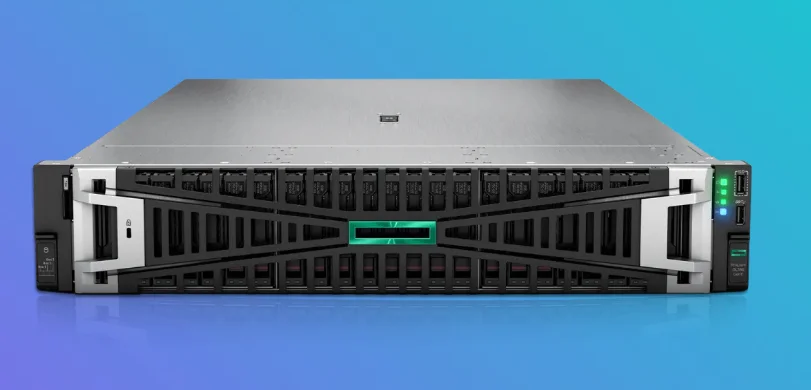
What Makes the HPE ProLiant DL380 Gen11 Stand Out in IT Infrastructure? Key Features of the HPE ProLiant DL380 Gen11 The HPE ProLiant DL380 Gen11 server is a two-socket, 2U high-end rack server that serves to provide exemplary performance and adaptability to do different operations and activities in diverse companies. The servers' memory space is also high because it can contain up to 32 DDR4 memory modules with a speed of 5,600MT/s having a combined memory capacity of a maximum of…
What Makes HPE ProLiant ML Stand Out in Energy Efficiency? Key Features of HPE ProLiant ML The HPE Proliant ML series is renowned for its performance but energy efficiency – specifically the HPE Proliant ML350 Gen11 model that utilizes the high-end 4th or 6th generation Intel Xeon Scalable Processor with up to 64 cores and features DDR4 memory technology and PCIe Gen4 connectivity with greater I/O capabilities and GPU support for enhanced performance in running complex tasks, such as handling IT infrastructure and running data analytics or ERP systems. The HPE ProLiant ML350 Gen11 stands out based on its versatility in environments thanks to its ability to adjust accordingly in various environments. It features 32 DDR5 memory units with a storage capacity of up to 8TB that greatly enhances the memory bandwidth and performance and decreases power consumption needs. Also, its expandability offers up to 10 PCIe 50 slots for optimized I/O throughput and less latency. These characteristics not only make the server robust but also exceedingly efficient in managing energy resources. The advanced cooling and power management systems are also features…
How Do Fusion Servers Enhance Quantum Computing Capabilities? The Core Functionality of Fusion Servers in Quantum Systems In the field of quantum computing, fusion servers play a role as they form the core of managing and enhancing quantum systems. These servers are tailor-made to merge with quantum processors, ensuring smooth data transmission and precise calculations. Unlike servers, fusion servers are purpose-built to meet the distinctive needs of quantum data, like superposition and entanglement. Through the use of algorithms and hardware setups, they enable the performance of intricate quantum computations that classical systems could not achieve otherwise. The design of fusion servers is customized to facilitate the operation of circuits by offering precise management of qubits and reducing errors in tasks—an essential aspect in quantum computing where slight inaccuracies could result in notable discrepancies in outcomes. The servers also offer a platform for interaction between quantum processors and conventional systems to guarantee efficient data processing and analysis capabilities. Why Are Fusion Servers Essential for Quantum Data Processing? Servers that combine fusion technology are essential for quantum data processing because they excel at meeting the…
What Makes Fusion Server Suitable for 5G Networks? Key Features of Fusion Server for High-Speed Connectivity The Fusion Server is tailored to cater to the needs of high speed connectivity in 5G networks—a vital necessity these days! One impressive aspect is its capability to back-access edge computing (MEC). MEC moves strength nearer to the users end, which decreases delay and enhances user satisfaction. This feature complements the setup of 5th generation networks where data processing must happen at various nodes in the network. Fusion Server is also superb when it comes to scalability, something that 5g infrastructure requires since as the number of users making service requests grows and more devices are included in the network, it can scale its resources in real time without affecting performance. This kind of flexibility allows providers to respond swiftly to the circumstances present while ensuring high-quality service. How Fusion Server Addresses the Challenges of 5G Infrastructure It is not easy to build a 5th generation network, for example, controlling the consumption of energy and maintaining security while delivering consistent performance even during periods of peak usage. The Fusion…
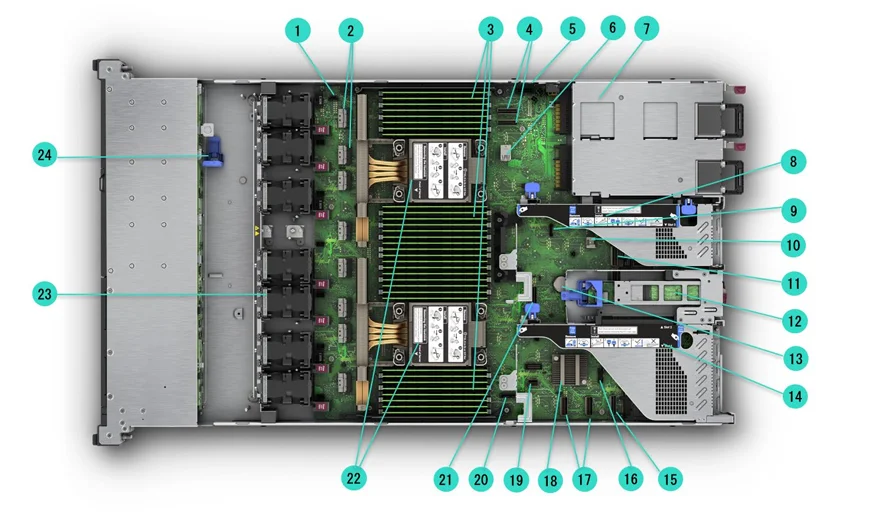
What Makes the HPE ProLiant DL360 Gen11 Stand Out? The HPE ProLiant DL360 Gen11 is a step 1U rack server that offers better performance and scalability to meet most computing needs, for example, virtualization and data storage applications that require high demands in terms of computing capacity and capabilities and also expansion options when it comes to capacity and capability. It is designed with Intel's latest Eagle Stream platform for quicker data transfer and additional memory space for two-way computing set-ups. This server is designed to respond to the evolving needs of businesses today with a focus on good security practices and simple operating habits. Key Features of the ProLiant DL360 Gen11 The HPE Proliant DL360 Gen11 is special in the server industry due to its new features. It has a 2 processor capability with the support of Intel Xeon 5th generation Emerald Rapids processors of a highest level of power with 385 watts and an input of 64 cores on every processor to enable high-level computing performance. The server accommodates up to 32 DDR4 memory modules with speeds of up…
Why is Security a Priority for ProLiant Servers in Modern Data Centers? How Do ProLiant Servers Address Emerging Cybersecurity Challenges? In the current data center era, there are more cyber threats than ever before. Servers like HPE Proliant ML350 Gen11 and DL560 Gen10 have also reached a new milestone by implementing cutting-edge security technology to tackle the problem head-on. The HPE Proliant ML350 Gen11 server uses trusted silicon root technology that detects firmware anomalies to stop the spread of malicious code and run the server safely and normally. Ensuring the security of information and upholding smooth operations in ever-changing, IT settings rely heavily upon these characteristics. What Role Does Firmware Protection Play in ProLiant Servers? Protective measures for firmware are components of the security setup in ProLiant servers, such as the DL580 Gen10 model by HPE that integrates iLO technology within its system architecture. Before initiating the operating system, the startup process on these servers’ hardware layers undergoes scrutiny to validate millions of lines of firmware code to ensure that only certified and reliable code is executed. Moreover, such servers conduct checks on a 24-hour basis to validate system firmware…
What Makes the HPE DL360 Gen11 Stand Out in Containerized Workloads? Key Features of the HPE DL360 Gen11 for Optimizing Performance The HPE DL360 Gen11 server is a sophisticated 1U two-socket rack server that takes the lead in delivering optimized performance for containerized workloads. Powered by Intel's new generation Eagle Stream platform, it combines excellent computing capabilities, enhanced data transfer rates and massive memory depth. This renders it particularly suitable for virtualization applications requiring high computing density, flexibility and embedded security. Its capacity to support dual 4th-generation Sapphire Rapids or 5th-generation Emerald Rapids Intel Xeon Scalable processors of 64 cores per processor optimizes processing power to run high-end applications like EDA, CAD and VDI. HPE DL360 Gen11 is improved in memory configuration—it can accommodate a maximum of 32 DDR5 memory modules with a speed of up to 5600MT/s and can accommodate a maximum data capacity of 8TB in total. Organizations can utilize this feature to support scale containerized workloads with best performance. Apart from this, it also provides storage capacity by being able to support different configurations such as SAS/SATA/NVMe hard…
Why Is Fusion Server Essential for Cybersecurity? Key Features That Enhance Cybersecurity Advanced-Data Protection Mechanisms The Fusion Server systems come with data protection measures to safeguard important information securely and maintain its integrity effectively. The FusionServer 2288H V7 supports RAID setups, which provide choices for data redundancy and shield against potential hardware failures. Furthermore, it is preloaded with functions such as supercapacitors for cache power off protection and hot-swap drives to reduce downtime during maintenance. These functionalities help in the protection of sensitive information from potential threats both within and outside the system. Reliable Threat Detection Capabilities The Fusion Server threat detection reliability is improved by its advanced management software functionalities. The FusionServer 2288H V6 Rack Server contains FusionDirector software, which supports the visualized management of the server throughout its lifecycle. It helps in monitoring potential vulnerabilities and responding rapidly to abnormalities. These features help address and solve cyber threats in their early stages to prevent further development. How Fusion Server Ensures System Stability Maintaining system reliability is crucial in cybersecurity practices. The FusionServer 1288H V7 features AI memory fault self healing capabilities that can decrease…
What Makes the HPE DL365 Gen11 Stand Out in Cybersecurity? Key Features of the HPE ProLiant DL365 Gen11 for Security The HPE ProLiant DL365 Gen11 server is a rack server computing system aimed at delivering the newest hardware performance with security features. It features AMD EPYC 9004 series processors with a maximum of 96 cores and a memory support of up to 6TB. The server's I/O and storage with high-speed PCIe 5.0 and EDSFF storage deliver data transfer rates and storage capacity. These features make it an ideal choice for workload management with an emphasis on security features. By verifying integrity of firmware and hardware at boot time to detect and prevent code from compromising the systems security features highly effectively safeguarded by the AMD Secure Processor that boosts secure boot features and memory encryption along with offering secure virtualization features inside the system on chip (SoC). How Does the HPE DL365 Gen11 Protect Against Emerging Threats? To counter the growing cyber attacks of the modern era, the HPE Proliant DL365 Gen11 is ready to stand against them with its security…
What Makes HPE ProLiant Servers Stand Out in AI-Driven Data Centers? Key Features of HPE ProLiant DL380 Gen10 Servers Scalability and Flexibility for Modern Data Centers The HPE ProLiant DL380 Gen10 server is a 2U rack server specifically designed to meet the varied needs of modern data centers. The support for a maximum of two Intel Xeon processors supporting up to 28 cores per CPU guarantees high performance on computationally demanding tasks. The server's scalable design enables it to have up to 3TB of DDR4 memory in 24 DIMM slots and supply bandwidth that can support applications that run on quantities of data. The server has quite an impressive storage capacity since it can support up to 32 SFF drives or 12 LFF drives of storage types SATA/SAS HDD and SSD and NVMe SSD, with a special backplane. This provides firms with the option of setting up the server as per their requirement of work. The scalability of HPE ProLiant DL380 Gen10 servers is backed up by eight PCIe 3.0 slots for supporting high-speed network cards, FPGAs and GPUs, such as…