


In 2026, enterprise IT environments require an operating system that acts as a stable bridge between on-premise data centers and hybrid cloud architectures. SUSE Linux Enterprise Server SLES remains the premier choice for mission-critical workloads, offering unmatched adaptability for SAP HANA and virtualization. However, maximizing SLES requires pairing it with certified hardware from industry leaders like Dell, HPE, and Huawei. At Huaying Hengtong, we specialize in bridging this gap, providing the infrastructure that allows SLES to perform at its peak.
Top Security Benefits of SUSE Linux Enterprise Server SLES
Implementing Zero Trust Security with SLES
SUSE Linux Enterprise Server SLES is built to support Zero Trust architectures, a necessity for modern enterprises. Unlike traditional security models, SLES validates every user and device attempting access, utilizing features like SELinux in enforcing mode to confine applications to strict privileges. For our clients in finance and government sectors, this granular control is non-negotiable. We ensure that the server hardware we supply supports these rigorous security configurations from day one.
Automated Compliance and Hardening Features
Fitting regulatory rules gets easier with the built-in auto tools in SUSE Linux Enterprise Server SLES. The OS has OpenSCAP. This tool scans systems against security standards like PCI-DSS or HIPAA on its own. As a result, it cuts the hands-on work for IT staff a lot. For groups buying IT equipment wholesale from us, this ready-to-use compliance feature lowers setup risks and daily costs.
Running SAP HANA on SUSE Linux Enterprise Server SLES
High Availability for Mission-Critical SAP Workloads
SUSE Linux Enterprise Server SLES is known as the go-to platform for SAP HANA. This comes from its strong High Availability (HA) add-on. The auto switchover features, run by the Pacemaker cluster system, keep business running smoothly even if parts fail. For our customers using big ERP systems on top hardware, this nonstop flow is crucial. It helps avoid money loss from stoppages.
Optimized Performance for SAP Environments
The core in SUSE Linux Enterprise Server SLES is built to boost the flow of in-memory databases. Tools like Page Cache Management stop file system caches from clashing with SAP apps over memory. When we deliver fast servers, SLES makes full use of the memory speed in current CPUs. This leads to data handling rates that go beyond what clients expect.
Best Hardware for SUSE Linux Enterprise Server SLES
Scalable Architecture for Virtualization and Databases
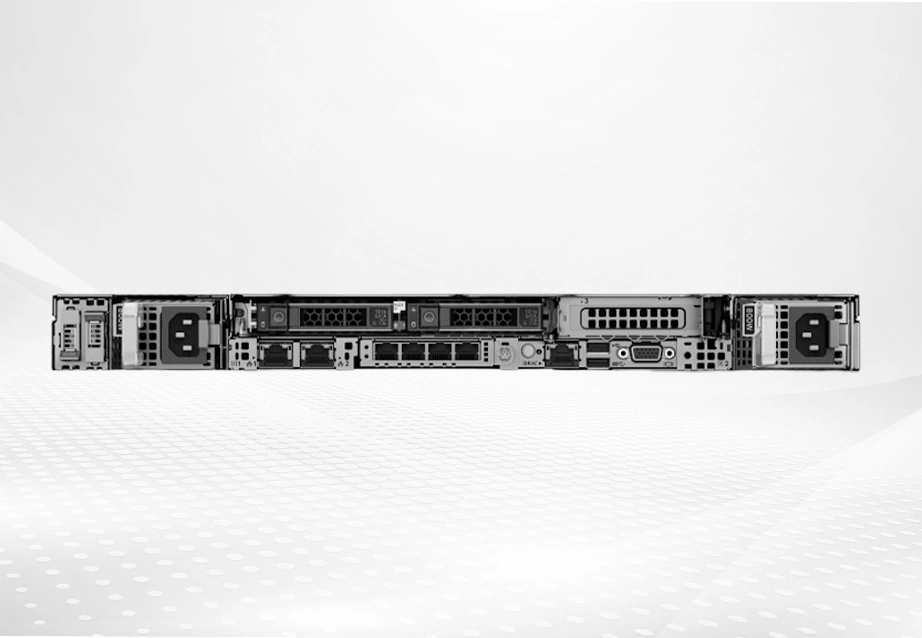
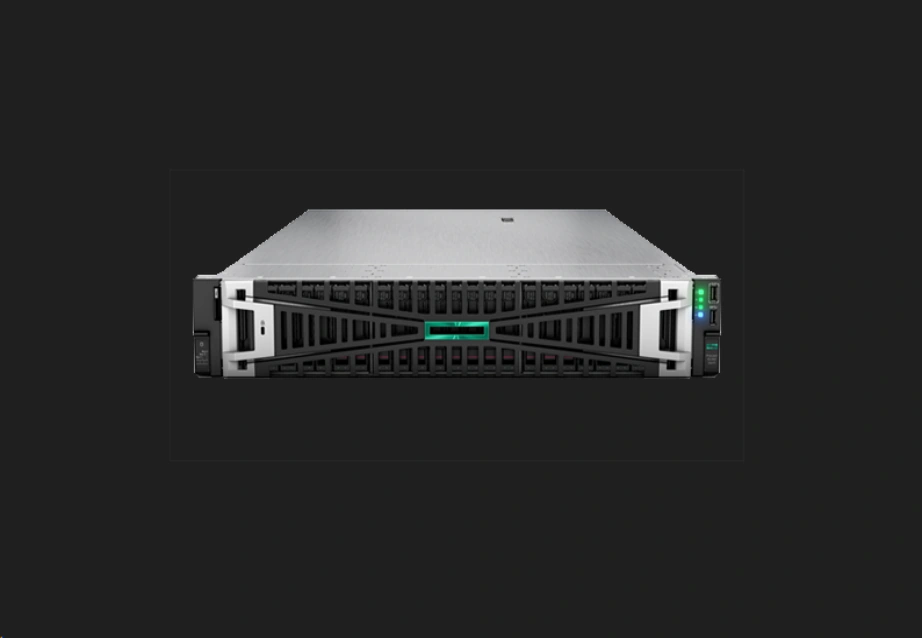
To achieve maximum scalability with SUSE Linux Enterprise Server SLES, we recommend pairing it with hardware certified for intense virtualization. The Dell PowerEdge R650 and HPE ProLiant DL380 Gen11 are ideal choices. The Dell PowerEdge R650 offers high-density computing power for KVM hypervisors, while the HPE ProLiant DL380 Gen11 provides exceptional storage flexibility. As an experienced IT equipment wholesale provider, we frequently deploy these models to create resilient clusters that grow with your enterprise.
Proven Reliability for High-Performance Computing
For tasks needing high error handling, the Huawei FusionServer 2288H V7 shows how hardware can use the steadiness of SUSE Linux Enterprise Server SLES. It backs smart power control and error checking that works well with SLES tracking tools. Plus, the Lenovo ThinkStation P620 brings workstation-grade steadiness for coders. As a focused Huawei wholesaler, we make sure our clients get strong machines that fit enterprise Linux rules fully.
Comparison: SUSE Linux Enterprise Server SLES vs RHEL
Flexibility in Management and Automation
IT managers often pick SUSE Linux Enterprise Server SLES for its all-in-one management system driven by YaST. Unlike the line-command focus of rivals like RHEL, YaST acts as a main point for setup and system tasks. This ease makes work simpler for companies handling varied groups of Dell, Lenovo, and Huawei servers. Our tech team sees this across-platform control as key for easing client upkeep.
Licensing Models and Total Cost of Ownership
SUSE Linux Enterprise Server SLES usually brings a better Total Cost of Ownership (TCO) thanks to its adaptable subscription setup. It skips surprise charges for extras. This lets businesses grow their setup without costs rising in step. When we help clients with server customization, we look at license costs closely. SLES often comes out as the wallet-friendly option for ongoing use.
Why Partner with Huaying Hengtong for SLES Infrastructure
Comprehensive Server Solutions for Enterprise Linux
Started in 2016, Huaying Hengtong has become a full IT equipment wholesale leader. We handle sales of Dell, HPE, Lenovo, Inspur, Huawei, and H3C items. If you want a certain hard drive wholesaler for business storage or a full rack of servers, our stock has hundreds of items. We serve as a main Huawei wholesaler and approved seller for big names. This means you get real, SLES-ready gear set for quick rollout.
Professional Technical Support and Global Supply Chain
Setting up a detailed SUSE Linux Enterprise Server SLES setup goes better with our skilled help. We have more than 100 sales channels and after-service staff focused on need review, gear picking, and server customization. Our know-how covers government, education, and finance areas. Plus, our supply line reaches North China and world markets smoothly. We put customers first. This ensures top service, whether for one item or bulk wholesale buys.
FAQ about SUSE Linux Enterprise Server SLES
Q: Which server brand is best for running SUSE Linux Enterprise Server SLES workloads?
A: SUSE Linux Enterprise Server SLES runs effectively on all major enterprise hardware. Dell PowerEdge servers are excellent for virtualization, while HPE ProLiant models are favored for storage. As a Huawei wholesaler, we also recommend Huawei FusionServer units for cloud computing. At Huaying Hengtong, we provide IT equipment wholesale options for all these brands, allowing you to select the best fit for your budget.
Q: How do I choose the right hardware configuration for SUSE Linux Enterprise Server SLES?
A: You must balance processor power and memory with your specific workload. For SAP HANA on SUSE Linux Enterprise Server SLES, high-memory configurations are essential. We offer professional server customization services to recommend the exact CPU and RAM specifications needed. We can configure specific components, such as Intel Xeon processors, to ensure full compatibility.
Q: Is SUSE Linux Enterprise Server SLES more cost-effective than other enterprise OS options?
A: Yes, SUSE Linux Enterprise Server SLES generally offers a competitive TCO due to flexible licensing. However, hardware costs also play a role. By partnering with a hard drive wholesaler and server distributor like us, you can lower capital expenditure. We provide competitive wholesale pricing on Lenovo, Inspur, and H3C servers to keep your project costs down.
Q: Where can I find a reliable supplier for servers compatible with SUSE Linux Enterprise Server SLES?
A: Seek a seller with cleared hardware and tech skills. A focused IT equipment wholesale firm like Huaying Hengtong fits well. We are approved sellers for Dell, HPE, and Huawei. We supply the needed approvals and aid to make sure your servers handle the OS without issues.
Q: What are the storage requirements for installing SUSE Linux Enterprise Server SLES?
A: The basic setup takes little space. But business tasks on SUSE Linux Enterprise Server SLES call for solid storage. NVMe SSDs work best for quickness. SAS HDDs fit big file collections. As a hard drive wholesaler, we carry varied storage picks that match Dell and Lenovo servers. We can also figure out the exact size for your rollout.