


TCO for Enterprise Servers: Why Dell and HP Remain Key Evaluation Targets
Core Cost Factors Defining Enterprise Server TCO
Enterprise server TCO analysis is essential for understanding how hardware, software, and operational expenses shape long-term ROI. Hardware acquisition, configuration flexibility, and lifecycle upgrade requirements determine the initial investment that later influences support contracts and replacement cycles. These cost elements must be evaluated together to form an accurate financial picture.
Hardware Acquisition, Configuration, and Upgrade Costs
Buying hardware changes TCO right away. Server setups vary in growth room, memory amount, and storage support. Picking parts that grow, like the Western Digital Ultrastar 14TB Enterprise HDD, cuts rack needs and growth times. Upgrades bring money effects over time. This is true when firms plan steps for rollout.
Energy Consumption, Cooling Needs, and Rack-Space Utilization
Energy use and cooling make up a big share of five-year running costs. You must include them in TCO checks. Rack-space use also hits total spending. Servers with more density allow grouping. This cuts power use and cooling costs.
How Workloads and Scalability Requirements Influence TCO Outcomes
How well workloads scale decides if Dell or HP servers give better ROI in certain cases. Tasks like virtualization, AI inference, and databases need specific speed and build traits. These traits change the full ownership cost.
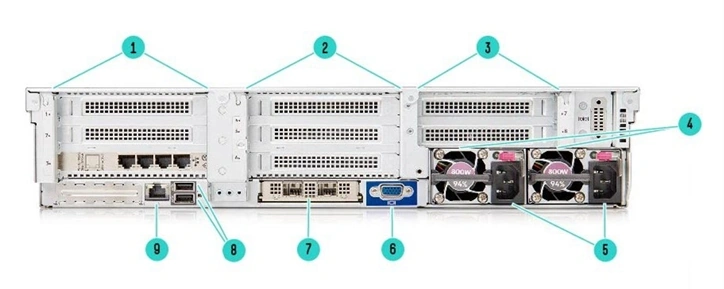
Virtualization Density and VM-per-Core Ratios
Virtualization density affects TCO a lot. It shows how many virtual machines run per core or per watt. Servers that group well cut license fees, energy use, and hardware space.
Performance Requirements in AI, Database, and Edge Workloads
AI, analytics, and high-IO tasks need good compute output and steady speed per watt. This shifts the cost math. So, matching task traits to system strengths is key for better ROI.
Dell Enterprise Server TCO Analysis: PowerEdge Efficiency and Lifecycle Economics
How Dell PowerEdge Architecture Impacts Performance-per-Watt and VM Density
Dell enterprise server TCO depends heavily on PowerEdge architecture characteristics that improve consolidation efficiency. Systems such as the Dell PowerEdge R740 illustrate how CPU support, PCIe bandwidth, and memory scalability can increase VM density, spreading licensing and operational costs across more workloads.
Processor, Memory, and PCIe Bandwidth Roles in Long-Term TCO
Processor and memory configurations determine both peak performance capability and the cost efficiencies achievable through consolidation. PCIe bandwidth affects storage scalability, which becomes a major part of multi-year infrastructure planning.
Dell Systems Management Tools and Their Operational Cost Impact
Dell’s management ecosystem helps streamline provisioning and monitoring, which reduces labor hours associated with server maintenance. Lower operational time translates directly into improved TCO across multi-rack deployments.
Five-Year Operating Costs and Server Consolidation Advantages with Dell
Dell platforms often demonstrate competitive five-year energy profiles because of their performance-per-watt characteristics. These efficiencies reduce both electricity consumption and cooling dependency.
Energy, Cooling, and Space Savings Through High-Density Deployments
High-density PowerEdge servers reduce rack-space requirements and cooling overhead, enabling consolidation of older infrastructure into fewer units without sacrificing performance.
Software Licensing and VMware Optimization in Dell Environments
Software licensing represents a significant portion of enterprise TCO, and Dell systems frequently improve ROI by enabling greater VM-per-core counts. Better VM distribution lowers per-license costs, especially in VMware-based environments.
HP Enterprise Server TCO Analysis: ProLiant Reliability and Operational Cost Behavior
How HPE ProLiant Design and iLO Management Tools Influence TCO
HP Enterprise Server TCO is strongly influenced by ProLiant engineering and its management ecosystem. Systems such as the HPE ProLiant DL360 Gen10 Plus demonstrate how remote management, built-in security, and reliability features reduce downtime and maintenance costs over the lifecycle.
Remote Management, Predictive Maintenance, and Downtime Reduction
Advanced remote management capabilities reduce the need for on-site intervention, lowering labor and operational expenses. Predictive maintenance tools identify issues before failures occur, minimizing financial risk.
Security and Firmware Update Ecosystems Affecting ROI
Regular firmware updates and automated patch management contribute to better ROI by improving system integrity, reducing outages, and supporting compliance.
Power Consumption, Redundancy Options, and Lifecycle Economics in HP Servers
Power and redundancy configurations shape long-term operational costs by influencing cooling needs and baseline electrical loads. HP platforms often emphasize power efficiency under stable workloads, affecting ROI differently than performance-optimized systems.
Multi-Generation Upgrade Paths and Component Compatibility
HPE’s multi-generation component compatibility reduces the cost of phased hardware migration, particularly in long-term environments where memory or storage upgrades happen incrementally.
Thermal Performance and Power Scaling Across Workload Profiles
Stable thermal response under sustained workloads reduces cooling requirements and extends hardware longevity, positively influencing lifecycle cost.
Dell vs HP Enterprise Servers: Comparative ROI Insights Based on Real-World Metrics
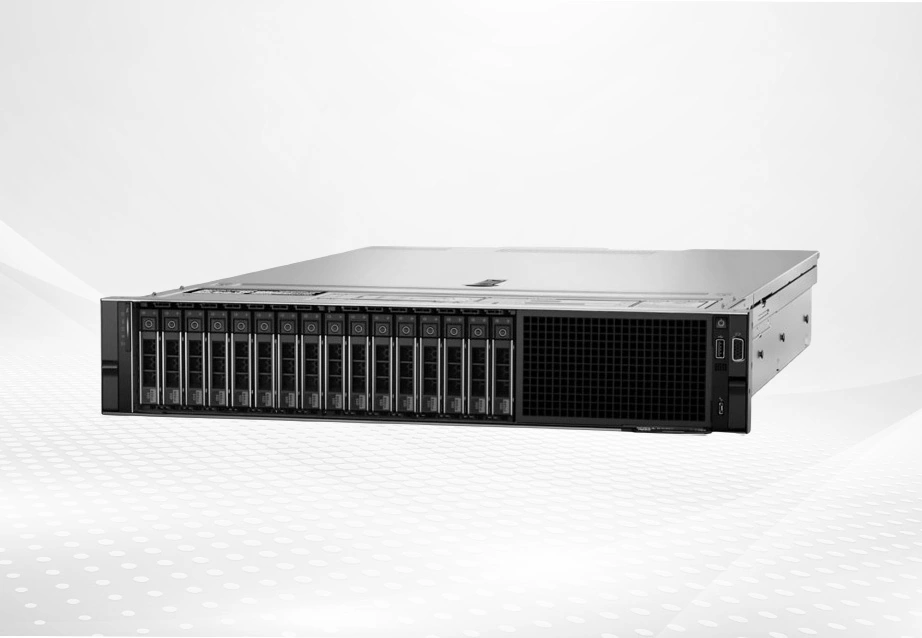
Performance-per-Watt, Utilization Rates, and Virtualization Density Differences
Comparative TCO for Dell vs HP enterprise servers must focus on metrics such as performance-per-watt and virtualization density. These metrics determine how effectively each platform supports high-density workloads, influencing hardware, energy, and licensing costs simultaneously.
Rack Consolidation Scenarios That Favor Dell Deployments
Dell systems such as the Dell PowerEdge R740 often excel in performance-per-watt configurations, making them well-suited for high-density consolidation projects that aim to maximize ROI.
Stability and Continuous Operation Scenarios That Favor HP Environments
HP servers such as the HPE ProLiant DL380 Gen10 are frequently preferred in environments requiring continuous uptime, steady loads, and long-term operational predictability.
Five-Year TCO Modeling for Typical Enterprise Workloads
Five-year TCO modeling illustrates how Dell and HP performance profiles translate into operational cost differences across industries.
Virtualization and Cloud-Edge Hybrid Scenarios
Virtualization-heavy deployments often benefit from Dell’s VM density advantages, which lower total licensing and power consumption.
Database, Analytics, and High-IOPS Scenarios
HP systems may yield better ROI in high-I/O consistency environments due to stable thermal behavior and redundancy features.
Huaying Hengtong Enterprise Server Solutions: Optimizing Dell and HP TCO for Global Businesses
How Huaying Hengtong Helps Enterprises Evaluate Dell vs HP Based on Workload and Cost Structure
Huaying Hengtong fills a key role in aiding global firms to cut TCO when picking Dell or HP enterprise servers. We aid choices by checking task needs, cost builds, and life hopes. This makes sure firms pick the most money-smart setup.
Configuration Optimization Strategies for Reducing TCO
We help clients build server setups to cut the total cost of ownership. We pick growing, business-level storage and compute parts that fit their tasks and growth plans. Our group suggests setup steps that cut growth times and running load.
Multi-Brand Recommendations Tailored to Performance and Budget Needs
We give multi-brand server picks that match speed, growth, and money hopes. We do not push one seller.
Supply Chain Strength and Long-Term Lifecycle Support Advantages
Huaying Hengtong aids firms with steady supply lines, big buy power, and long hardware life help.
Enterprise Procurement Scalability and Multi-Model Integration
Our wide source of power lets clients grow businesses fast. They can blend many Dell and HP models into one setup.
Assistance with Deployment Planning and Cost Projection
We help buyers plan server rollout steps and estimate years-long costs. This brings the best TCO and steady ROI.
FAQ About TCO for Dell Enterprise Servers vs HP Servers
Q: Which enterprise servers offer better TCO for virtualization, Dell or HP?
A: Virtualization density often gives Dell platforms an edge in TCO. Higher VM-per-core ability cuts license and energy costs. Huaying Hengtong helps businesses check virtualization tasks to pick the best choice.
Q: How do businesses choose between Dell and HP when comparing long-term ROI?
A: Businesses should look at task traits, energy patterns, backup needs, and license rules. We guide clients in checking years-long cost builds for Dell and HP rollouts.
Q: What factors influence TCO the most in enterprise server deployments?
A: Hardware setup, energy use, grouping skill, licensing, and life help all matter a lot. Huaying Hengtong gives full plan aid to make each part better.
Q: Is server consolidation more cost-effective with Dell or HP enterprise servers?
A: Dell systems often show better grouping output. This raises ROI in dense setups. HP servers may help in steady-run cases. We aid clients in matching cases to the right hardware pick.
Q: How can companies reduce TCO when purchasing enterprise servers?
A: Companies can cut TCO by picking growing parts, making virtualization density better, and planning upgrades with care. Huaying Hengtong backs big buys and setup plans to cut long-term costs.