

Micron Memory Stick Overview & 2025 Usage
What Micron Memory Stick Means in Modern Systems
Micron memory sticks keep today’s business servers and workstations running smoothly. When people talk about a Micron memory stick in the enterprise world, they mean high-quality DRAM modules built for servers. These include DDR4 and DDR5 RDIMM, LRDIMM, and ECC versions that work day and night without trouble. Unlike regular memory for home PCs, these modules are made to handle heavy business loads. In 2025, fast and reliable memory will still decide how quickly applications respond and how many tasks a server can manage at once.
Key Types of Micron Memory Stick (DDR5, RDIMM, MRDIMM)
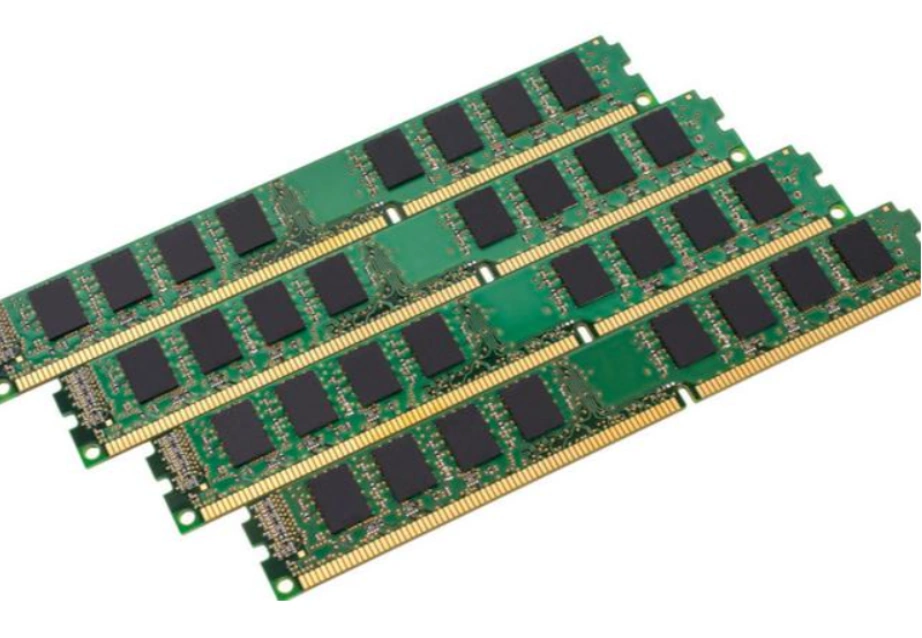
Micron offers several families that fit different needs. DDR5 RDIMM modules bring much higher speed and better power use. Standard RDIMM parts already include error correction and work in almost every server. The newest MRDIMM series doubles bandwidth by using several channels inside one stick. Each family gives companies clear choices so they can pick exactly what their workload demands.
Why Businesses Choose Micron Memory Modules
Companies keep coming back to Micron because the modules rarely fail and work perfectly with major server brands. IT teams trust them for virtualization farms, ERP systems, cloud platforms, and services that never sleep. Micron has earned a strong name for building parts that last many years in real data centers.
Micron Memory Stick Performance Metrics for Businesses
Bandwidth and Data Rate Improvements
Bandwidth matters more than almost anything else in busy servers. DDR5 Micron memory sticks move data much faster than DDR4 parts. This extra speed shows up clearly when many virtual machines run at once, when databases answer complex questions, or when web services face thousands of users at the same time. Higher bandwidth simply means everything feels faster and smoother.
Capacity per Stick for Heavy Workloads
More gigabytes per stick lets one server do the job of two older machines. Large Micron memory sticks help companies run dozens of virtual machines, keep huge databases completely in RAM, or process giant data sets without constant disk access. For example, the Micron DDR5 SDRAM MTC20F2085S1RC56BG1 (32 GB) works perfectly for medium-sized servers today. When growth comes, teams can later install higher-capacity parts like the 128 GB version without changing the whole server design.
ECC, Latency, and Data Integrity
A single flipped bit can ruin an entire financial report or scientific calculation. Every enterprise Micron memory stick comes with ECC that finds and fixes those tiny errors on the fly. Low latency keeps data moving quickly between CPU and memory. Together, these features make sure results stay correct even after months of non-stop operation.
Power Efficiency and Thermal Behavior
Modern data centers watch every watt. Micron designs its memory sticks to use less power while delivering top speed. They also stay cooler than older generations, even when the server runs at full load. Lower heat means fans spin slower, power bills drop, and the equipment lasts longer.
Business Use Cases Where Micron Memory Stick Excels
Cloud and Virtualized Environments
Cloud providers and private virtualization clusters pack as many virtual machines as possible on each physical box. High-capacity Micron DDR5 modules such as MTC10F1084S1RC56BG1 (16 GB) fit small edge locations perfectly. Bigger data centers choose parts like MTC40F2047S1RC80BFZ (128 GB) to reach maximum density. The result is better server usage and lower cost per virtual machine.
Big Data and Real-Time Analytics
Analytics teams need to keep huge tables in memory for fast queries. Micron memory sticks let them load more data at once and finish reports in seconds instead of minutes. Banks, factories, and online stores all see real business value from that speed.
AI Training and Inference Workloads
Training large models and running live AI predictions both need massive bandwidth and low delay. Micron memory moves giant matrices between the GPU and the CPU without waiting. This shortens training time and lets more customers use the same AI service at once.
HPC and Rendering Applications
Scientific simulations and 3D rendering jobs run for hours or days. They demand steady memory performance without slowdowns. Micron enterprise modules keep delivering full speed from start to finish, so clusters finish projects on schedule.
Comparing Micron RDIMM and MRDIMM Options
RDIMM: Enterprise-Grade Compatibility
RDIMM remains the safe, everyday choice. It works in almost every current server, offers full ECC protection, and gives excellent stability for normal business workloads.
MRDIMM: High-Bandwidth Memory Architecture
MRDIMM parts bring a completely new design that sends data through multiple paths inside the same stick. The result is a dramatically higher bandwidth. These modules shine in AI farms and super-fast database machines where every extra gigabyte-per-second counts.
Choosing RDIMM or MRDIMM for Your Workload
Most companies start with RDIMM because it fits everywhere and costs less. Teams that already hit memory bandwidth limits should move to MRDIMM as soon as their servers support it.
Other Micron Form Factors for Edge Devices
Micron also makes smaller SODIMM sticks for compact edge servers and industrial computers. These bring the same enterprise reliability to factories, retail stores, and remote sites.
Best Practices for Deploying Micron Memory Sticks
System and CPU Platform Compatibility
Always check the server and CPU support lists. DDR5 memory only works with the newest processors and motherboards that understand the higher speeds and new power rules.
Matching DIMM Types and Speeds
Fill all channels with identical modules. Different speeds or sizes force the whole system to run at the slowest common setting and can turn off useful features.
Cooling and Power Planning
Many high-capacity sticks in one server create serious heat. Good airflow and strong power supplies prevent thermal throttling and keep performance steady.
Preparing for Future Memory Demands
Buy servers with enough memory slots left empty today. That small planning step saves big money tomorrow when AI models or virtual desktop counts grow.
Why Huaying Hengtong Supports Global Micron Memory Sourcing
Our Strength in Enterprise Memory Supply
Huaying Hengtong helps companies worldwide get genuine Micron memory sticks quickly and at fair prices. We know exactly which part numbers fit each server model and workload.
Quality Control and Stable Inventory
Every batch we ship passes strict testing. We keep popular capacities in stock so customers never wait weeks for urgent upgrades.
Technical Support for Server Deployment
Our team checks compatibility lists, suggests optimal configurations, and answers questions about population rules so every installation goes smoothly from day one.
Scenarios We Serve Across Enterprise IT
We regularly supply memory for cloud builders, AI research labs, banking data centers, factory automation projects, and government server rooms across the world.
FAQ
Q: What is a Micron memory stick, and why is it important for enterprise systems?
A: A Micron memory stick refers to enterprise-grade DRAM modules designed for server platforms. These modules are essential for system stability, high performance, and reliable operation in virtualization, analytics, AI, and other demanding workloads.
Q: How do I choose the right Micron memory stick capacity for my needs?
A: Capacity should match your workload. Lighter applications may use mid-range capacities, while virtualization, analytics, and AI benefit from higher-capacity modules that reduce bottlenecks and support more simultaneous processes.
Q: What is the difference between RDIMM and MRDIMM in Micron memory sticks?
A: RDIMM offers broad compatibility and reliable performance for general enterprise use. MRDIMM provides significantly higher bandwidth and is suited for specialized workloads that depend heavily on rapid data movement.
Q: Can different Micron memory sticks be mixed in the same server?
A: Mixing memory types or speeds is not recommended, as systems will default to the lowest shared configuration. For stability and performance, matched sets are preferred.
Q: What factors should businesses consider when deploying Micron memory sticks?
A: Key considerations include platform compatibility, cooling capacity, workload requirements, scalability plans, and proper matching of memory speeds and types.