


The Evolution of Linux Enterprise Servers in the AI Era
Optimizing Linux Kernels for High-Performance GPU Acceleration
Linux Enterprise Servers in 2026 stand out more and more for how well they work with strong GPU speed-ups in AI tasks. AI models are getting more complex these days. So, the base operating system has to handle resources well. This avoids slowdowns in training or running predictions. Current kernels are tuned to manage the huge parallel work of hardware boosters in the main gear. For example, the Huawei FusionServer 2288H V7 can hold up to 4 double-width or 14 single-width GPU cards. It becomes a strong setup for AI when used with a tuned Linux system. We make sure our hardware fits these software needs fully. This lets companies use the full power of their AI spending.
Managing Massive Datasets with Next-Gen Memory and Storage Protocols
Dealing with huge data sets for AI creation needs solid backing for new memory and storage links in the Linux world. The move to DDR5 memory and PCIe Gen5 ports is changing data flow rates. This matters a lot for quick analysis and machine learning. Units like the HPE ProLiant DL380 Gen11 show this shift. They hold up to 8TB of DDR5 memory. They also have PCIe Gen5 slots for better bandwidth. At Huaying Hengtong, we set up these servers with fast parts often. For example, we use the Samsung M321R8GA0PB0-CWM (64GB DDR5 5600Mbps) memory sticks. This keeps our clients’ setups matching the fast rise in business data.
Advanced Security Architectures Defining Server Trends
Implementing Zero Trust Models at the Operating System Level
Zero Trust security setups are now the norm for Linux Enterprise Servers. They make the operating system check every deal and entry request, no matter where it comes from. In 2026, there will not be enough old border guards. Safety has to be built right into the OS kernel. This cuts down the weak spots. It does so by setting firm entry rules and ongoing checks for all users and gear. We know our clients need hardware that works with these software rules. That is why we supply servers with built-in strong coding and ID handling right away.
Hardware-Backed Security: From Silicon Root of Trust to Firmware
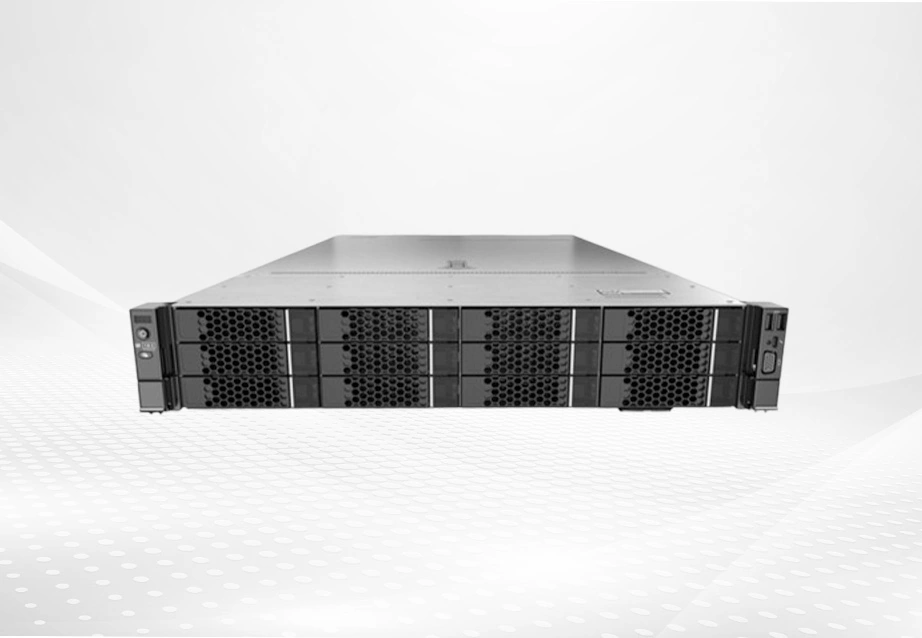
Hardware-based safety tools, like Silicon Root of Trust, give a fixed base for Linux servers to fight firmware attacks. These methods make sure the server’s key firmware stays safe before the operating system starts. The HPE ProLiant DL380 Gen11 has a trusted silicon root of trust. It spots firmware changes and can bring the server back to a safe state on its own. As a focused IT gear seller, we aim to give hardware with these built-in safety features. This keeps the base of your Linux setup safe from growing online risks.
The Convergence of Hybrid Cloud and Edge Computing
Streamlining Container Orchestration Across Diverse Infrastructures
Business Linux versions are changing to make container handling easier in mixed cloud setups. This keeps things steady from local data centers to public clouds. Running and controlling containers smoothly with tools like Kubernetes is key to current DevOps ways. This bend lets companies grow apps as needed. They do not get stuck with one setup provider. We back this quick change by giving flexible server choices. These act as solid points for container groups. They ensure good uptime and speed over different network types.
Optimizing Linux for Edge-Native and IoT Applications
Tuning Linux for edge-based and IoT apps lets businesses handle data near where it starts. This cuts down on delays and data use. By 2026, linked devices will be everywhere. So, the need for small but strong compute spots at the edge is growing fast. Makers are answering with packed computing options. These run business-level Linux in tiny sizes. We provide various edge-ready servers. They keep business trust levels while working in tight IoT spots.
Sustainability and Energy Efficiency in 2026 Data Centers
Reducing Carbon Footprint with Intelligent Power Management Tools
Cutting the carbon mark of data centers is now a main goal. It pushes the use of smart power control tools in Linux server setups. Managers can use advanced programs now. These adjust power use based on current task needs. Gear like the Dell PowerEdge R650 backs strong power and heat control. This gives fine-tuning over energy spent. As a careful seller, Huaying Hengtong pushes for power-saving setups. These help clients hit green aims and lower running costs.
The Rise of Liquid Cooling Compatibility in High-Density Environments
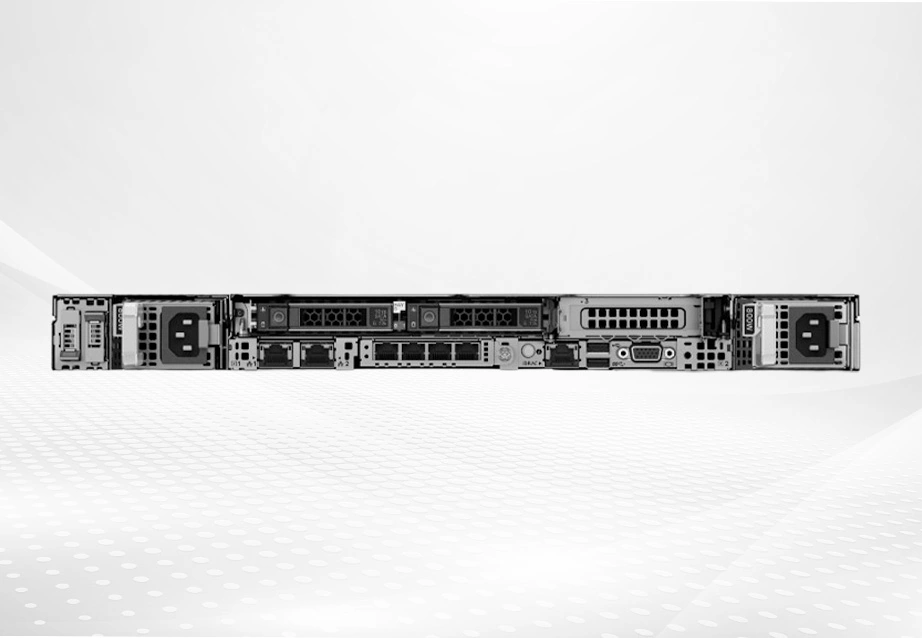
Liquid cooling support in packed setups lets Linux servers keep top work without getting too hot. This holds even under big compute loads. As chip heat output rises for better speed, old air cooling hits its max often. Many new servers we send out, like the Huawei FusionServer 2288H V7, have back liquid cooling fixes. These handle heat well. This skill is key for keeping Linux groups steady in hard sims or fast trade math.
Empowering Your Infrastructure with Huaying Hengtong Solutions
Comprehensive Portfolio of Leading Global Server Brands
We at Huaying Hengtong take pride in giving a full range of top world server brands. This meets the varied wants of today’s businesses. As a key Huawei wholesaler and IT gear seller, we give access to high-end hardware from big names like Huawei, Dell, HPE, and Lenovo. Our stock has solid units like the Dell PowerEdge R650. It comes with 3rd Generation Intel Xeon Scalable processors for tough Linux tasks. We also work as a focused hard drive seller. We stock big business drives like the Seagate Exos ST16000NM004J (16TB SAS 12Gb/s). This makes your storage setup as dependable as your compute parts.
Expert Consultation for Customized and Future-Proof Deployments
Expert advice for custom and long-lasting setups is at the heart of our service way. It makes sure clients get hardware fits for their exact Linux needs. We do not just sell units. We give server customization services to build the right machine for you. This could be a fast trade server or a huge storage bank. Our group checks the fit for all parts. From new Intel or AMD CPUs to set memory like Samsung DDR5. This makes a smooth joining with your chosen Linux type. By working with us, you use our deep field know-how. It builds a tough, high-work IT base for 2026 and later.
FAQ
Q: Which server brand is recommended for high-performance AI inference?
A: For AI inference, you need a server that supports high-density GPU configurations and efficient cooling. Brands like Huawei and HPE offer excellent options, such as the Huawei FusionServer 2288H V7, which supports multiple GPUs and liquid cooling technologies. We can help you select a model that balances GPU density with thermal management to ensure sustained performance for your AI workloads.
Q: How should I choose the right storage configuration for a Linux Enterprise Server?
A: Selecting the right storage involves balancing speed, capacity, and interface compatibility. For latency-sensitive databases, NVMe SSDs are ideal, while massive data archiving benefits from high-capacity HDDs like the Seagate Exos series (e.g., 16TB or 20TB models). We recommend consulting with a specialist to configure a tiered storage solution that maximizes performance for your specific Linux applications while keeping costs in check.
Q: What are the advantages of sourcing IT equipment from a wholesale distributor?
A: Sourcing from a wholesale distributor allows you to access a wider range of products at competitive pricing compared to retail channels. We provide bulk purchasing options for hard drives, memory, and servers, which are ideal for data center expansions. Additionally, distributors often offer value-added services like server customization and technical compatibility verification, ensuring you get a turnkey solution.
Q: Can I customize server specifications to match my specific workload requirements?
A: Yes, customizing server specifications is the best way to ensure hardware efficiency and cost-effectiveness. We offer server customization services where you can specify the exact CPU model (e.g., Intel Xeon Scalable), the amount and speed of RAM (e.g., Samsung DDR5), and the type of storage required. This ensures your server is perfectly tuned for your specific Linux environment, whether it’s for virtualization, database management, or edge computing.
Q: What are the key hardware features to look for in a secure enterprise server?
A: Key hardware security features include a hardware-based root of trust, trusted platform modules (TPM), and chassis intrusion detection. For example, the HPE ProLiant DL380 Gen11 includes a silicon root of trust that anchors the firmware security directly into the hardware. We ensure that the servers we supply are equipped with these essential security technologies to protect your infrastructure from firmware-level threats.