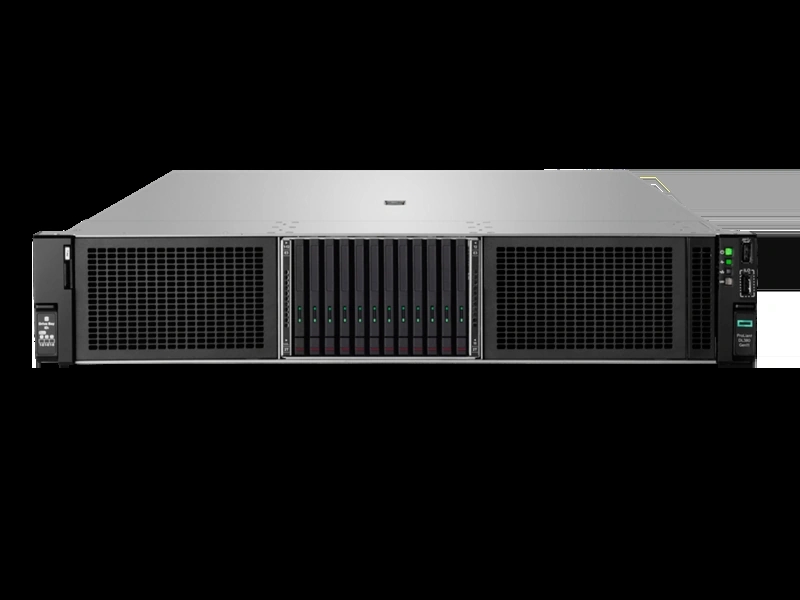
Critical Challenges in Data Center Modernization Balancing High-Performance Computing with Energy Efficiency Green data center updates need careful handling of the tough choice between growing compute needs and strict green rules. Today's companies deal with a power puzzle. AI and big data work call for strong computing power. Yet, firm green aims push for smaller carbon marks and better Power Usage Effectiveness ratios. The HPE ProLiant DL380 Gen11 tackles this issue. It uses smart cooling plans and power control. These let data…
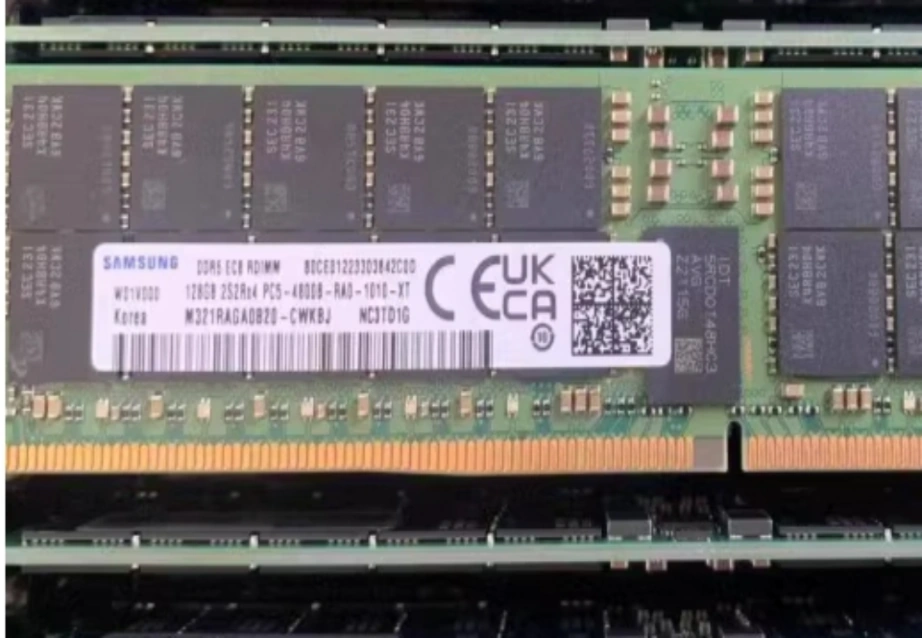
2026 Market Forecast: Why Samsung Server Memory Prices Are Surging The Impact of AI Infrastructure on Global DRAM Supply Global demand for enterprise-grade DRAM is projected to outstrip supply significantly by mid-2026 due to the explosive growth of Artificial Intelligence infrastructure. Major manufacturers are shifting production capacity toward HBM (High Bandwidth Memory) to support AI GPUs, which inadvertently constrains the output of standard DDR5 server modules. This supply chain shift suggests that IT procurement managers should anticipate extended lead times…
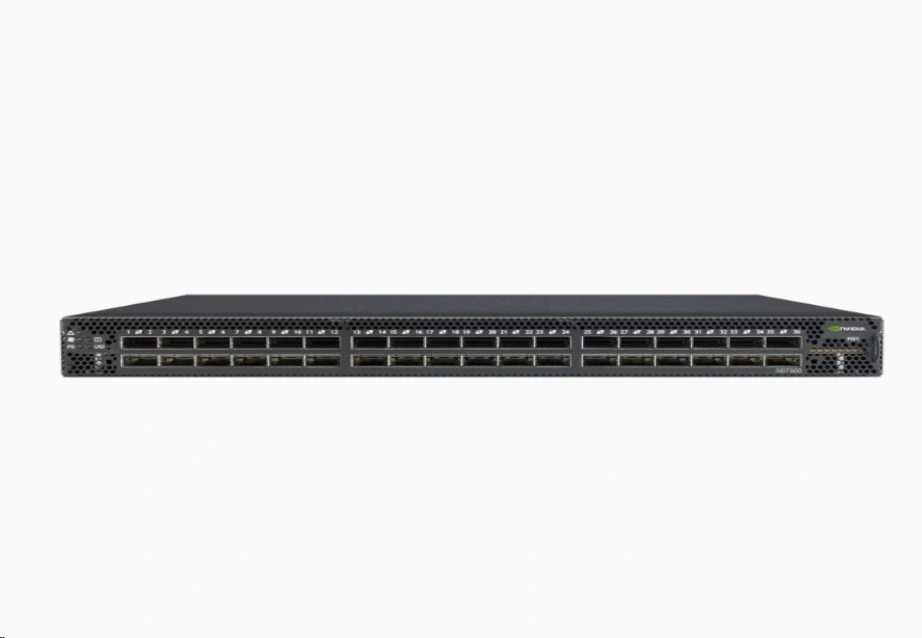
The Landscape of Enterprise Storage Networking in 2026 Evolution from Gen 6 to Gen 7 Fibre Channel The move to Gen 7 Fibre Channel tech now sets the norm for key business storage setups in 2026. It gives 64G speeds to clear out jams. Storage Area Networks (SANs) need this extra bandwidth. That helps meet the very low delay needs of NVMe flash storage setups in current data centers. Gen 6 (32G) still shows up in old systems. But the…
Navigating the server infrastructure landscape in 2026 requires a strategic balance between maximizing performance and managing the total cost of ownership (TCO). As artificial intelligence and high-performance computing (HPC) demands escalate, the architectural capabilities of server memory have become a pivotal factor in hardware procurement. We at Huaying Hengtong have observed a distinct divergence in client requirements, where the choice between the established DDR4 standard and the high-speed DDR5 architecture defines the future readiness of data centers. As a seasoned IT equipment wholesaler, we help businesses analyze these technical nuances to ensure their infrastructure aligns with both their budget and their computational goals. DDR5 vs. DDR4 Architecture: Bandwidth, On-die ECC, and Power Efficiency Comparing Data Transfer Rates and Burst Lengths The biggest clear difference between these memory types shows up in basic data speeds. These affect tasks that need lots of bandwidth. DDR4 has worked well for the field. It tops out at real speeds near 3200 MT/s. We often provide modules like the Samsung M393A4K40EB3-CWE (32GB DDR4-3200). But DDR5 changes things a lot. It doubles the burst length from…
The Evolution of Linux Enterprise Servers in the AI Era Optimizing Linux Kernels for High-Performance GPU Acceleration Linux Enterprise Servers in 2026 stand out more and more for how well they work with strong GPU speed-ups in AI tasks. AI models are getting more complex these days. So, the base operating system has to handle resources well. This avoids slowdowns in training or running predictions. Current kernels are tuned to manage the huge parallel work of hardware boosters in the main gear. For example, the Huawei FusionServer 2288H V7 can hold up to 4 double-width or 14 single-width GPU cards. It becomes a strong setup for AI when used with a tuned Linux system. We make sure our hardware fits these software needs fully. This lets companies use the full power of their AI spending. Managing Massive Datasets with Next-Gen Memory and Storage Protocols Dealing with huge data sets for AI creation needs solid backing for new memory and storage links in the Linux world. The move to DDR5 memory and PCIe Gen5 ports is changing data flow rates. This…
By 2026, the rules for setting up a business will be changing fast. Things like AI creation tools, bringing cloud jobs back in-house, and strict green rules are pushing this change. Groups no longer just want space. They need smart, packed computing spots that handle big data sets quickly with little delay. For IT leaders, grasping how these shifts affect hardware is key to making data centers last longer. Artificial Intelligence and HPC Workloads Shaping Server Architecture Rise of High-Density GPU Configurations for Generative AI Big Language Models and AI creation tools are growing quickly. This makes GPU packing a must in server picks. Old CPU-focused builds can't keep up with the side-by-side work needed for AI training and tough guess tasks. New setups must hold several strong speed boosters in a small area. Take the Lenovo ThinkStation P8. It is built for these hard needs. It has the AMD Ryzen Threadripper PRO 7995WX processor with up to 96 cores. It also supports up to three NVIDIA RTX graphics cards. Such packing lets businesses manage heavy graphics, 3D builds,…
The 2026 Dilemma: Balancing AI Surge with Green Regulations Navigating the EU Energy Efficiency Directive (EED) and Global Mandates Following the EU Energy Efficiency Directive (EED) closely has changed Power Usage Effectiveness (PUE). It went from a suggested measure to a firm rule by 2026. Data center teams feel growing stress. Governments around the world now require reports on energy use. This puts non-following sites at risk of big fines and work limits. Such rules push businesses to drop old setups. They turn to eco-friendly computing options that clearly show energy gains. Sustainability is not just a company duty anymore. It has become a basic need to work in the worldwide digital world. The Heat Challenge: When Rack Density Hits 100kW AI model training and high-frequency trading have pushed rack power densities from a manageable 10kW to an intense 100kW per rack, rendering traditional air-cooling methods obsolete. Fans in conventional setups must spin at maximum velocity to dissipate this heat, paradoxically consuming more energy and creating acoustic hazards without effectively cooling the core components. This thermal bottleneck limits performance and…
The Critical Role of 5G Network Efficiency in Smart City Infrastructure Smart city infrastructure demands robust 5G network efficiency to handle the massive data influx from urban environments. The backbone of these networks must support high-speed data transmission and low-latency processing to manage everything from traffic flow to emergency services. Computing hardware acts as the brain of these networks, requiring servers that can handle rigorous demands without bottlenecks. Overcoming Latency in Autonomous Urban Systems Cutting latency matters a lot for self-run city systems such as driverless cars and smart traffic control. Edge computing servers sit near the data spots. They shorten the trip for data packets. These systems process data right there instead of sending it to a main cloud. As a result, self-driving cars get instant info on road states. Managing High-Density IoT Data Streams for Public Safety Safety networks have to handle thick IoT data flows from cameras and sensors. The amount of video and sensor info needs servers with great bandwidth. Good data handling lets police see real-time views. This leads to quicker replies and stronger public…